
By Mitch Presnick and Aaron Glasserman
The authors argue that structuring inbound Chinese investment in the US as joint ventures is a better alternative than barring Chinese investment piecemeal or altogether. The gains from such joint ventures are substantial, they say, and the US has leverage to negotiate based on China’s need for overseas markets and its challenges in shifting to a consumer-led economic model.
Why the mission of the US-China Board of Investment matters to the future of US manufacturing
Pursuing investment commitments has been a pillar of American economic and foreign policy in the second Trump administration. Through a combination of carrots and sticks – most infamously, the “Liberation Day” tariffs in April 2025 – Washington has secured investment commitments from numerous allies and partners, including Japan, South Korea, Taiwan, the European Union, Qatar, the United Arab Emirates, and Saudi Arabia. The extent to which these pledges are fulfilled remains to be seen, but there is no doubt that the current US president seeks inbound investment as a national priority.
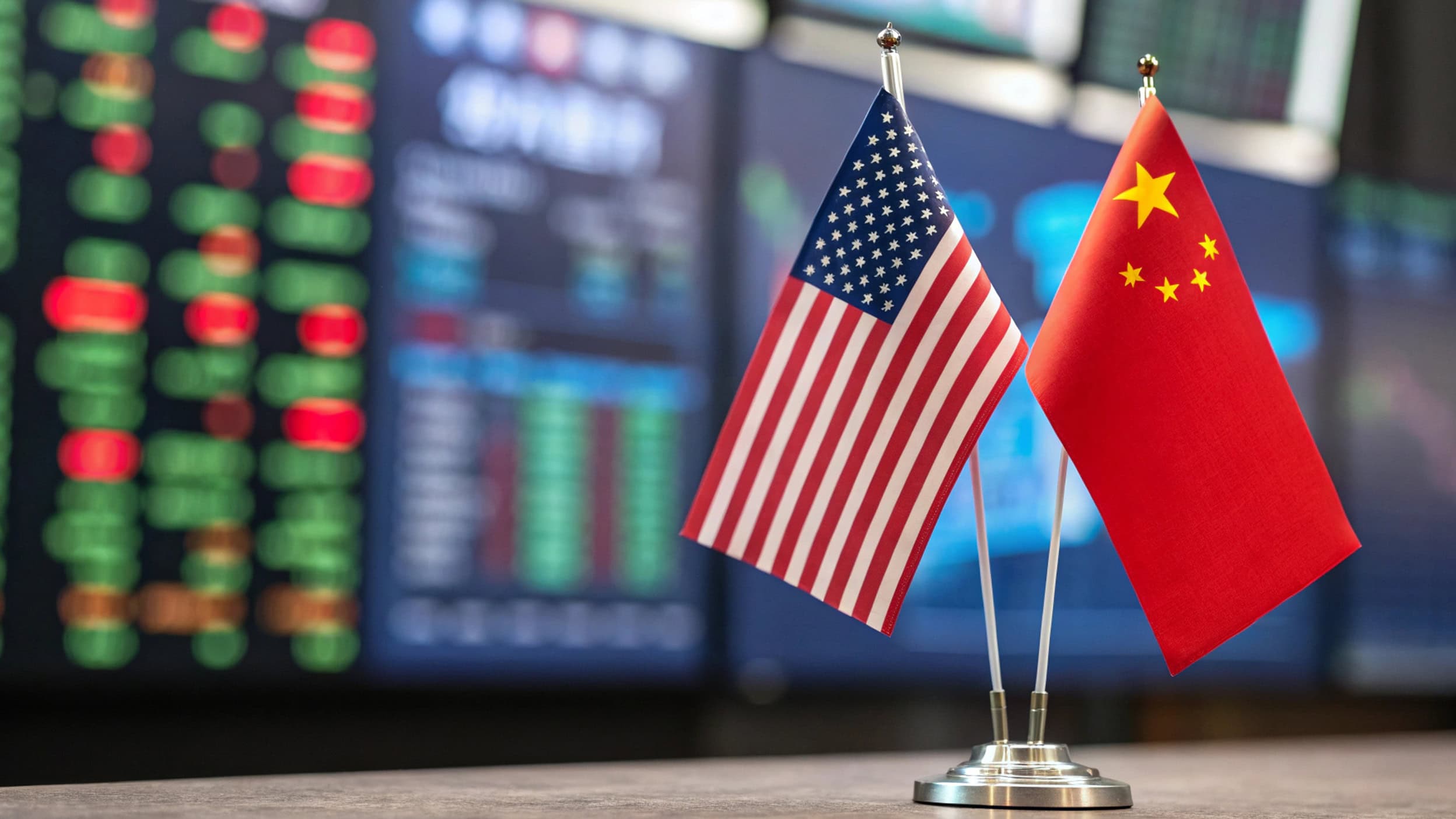
Chinese investment should be part of this agenda. Structured as joint ventures on US soil that address commercial and national security objectives and constraints, Chinese investment can help advance American economic competitiveness and national resilience in critical sectors in which Chinese companies currently lead.
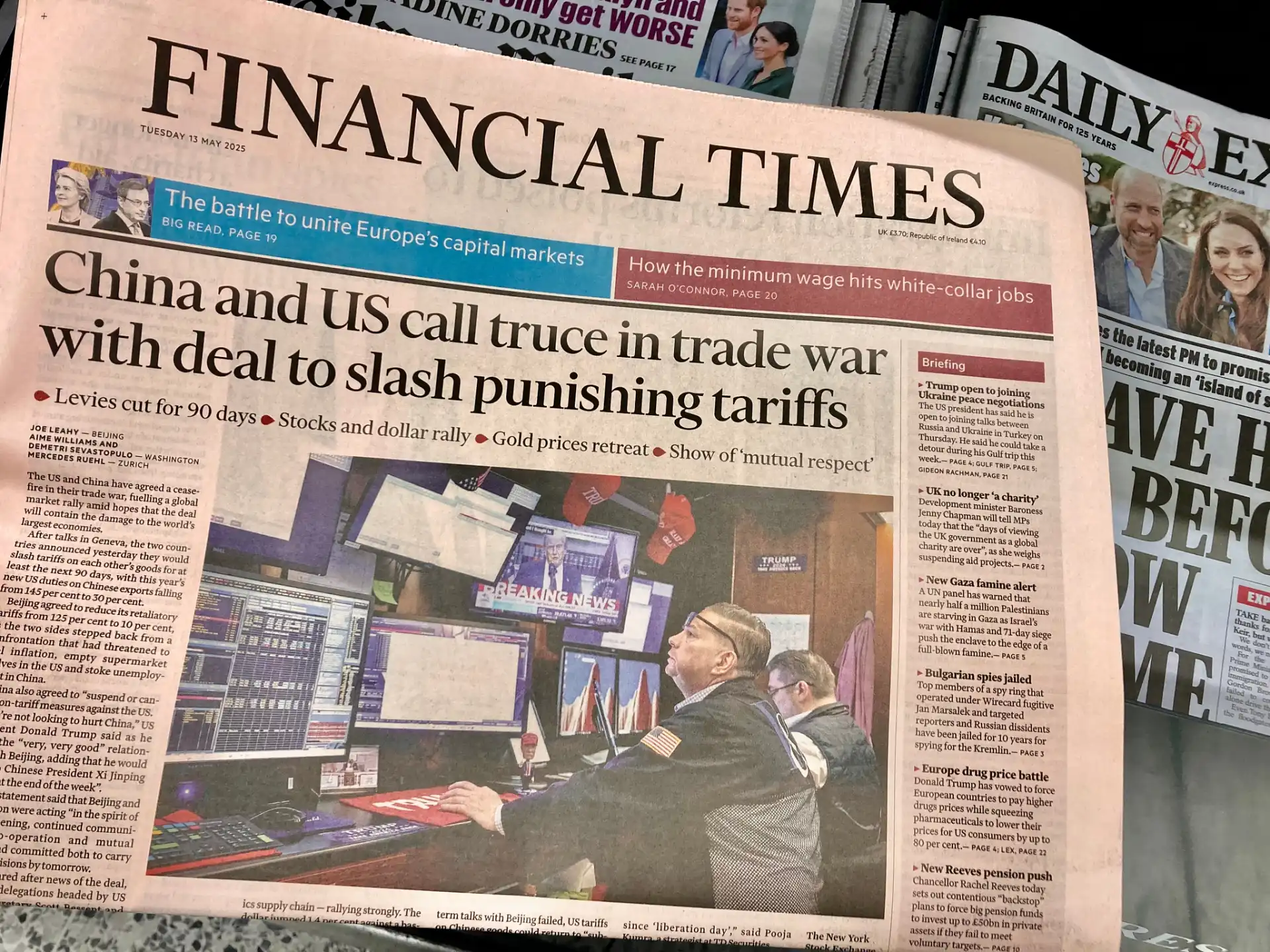
The summit meeting between US President Donald Trump and China’s President Xi Jinping from May 14-15 in Beijing was cause for cautious optimism on this front. After years of escalating tariffs, export controls, sanctions, and investment restrictions, both governments signaled a renewed willingness to explore pragmatic economic cooperation.
On the specific question of Chinese investment in the United States, among the post-summit announcements was the establishment of a US-China Board of Investment. This was a positive sign, though few details have been revealed. While still in Beijing, US Treasury Secretary Scott Bessent described the purpose of this body as to “decide upfront what are the nonstrategic, nonsensitive areas where it would be possible for the Chinese to invest.”
To be sure, political constraints remain and indeed are likely to become even tighter. Leaders in both countries are keen to use the current détente as an opportunity to build up protections against pressure from the other side and acquire even more leverage by doing so. The US has already increased scrutiny of inbound Chinese investment through the Committee on Foreign Investment in the United States (CFIUS) early in the second Trump Administration.
Among recent actions, in January 2026 the White House issued an executive order demanding the unwinding of the 2024 acquisition of water fabrication and chip-related assets of Emcore Corp. by HieFo, a photonics firm, on the grounds that the latter was controlled by a Chinese national. Beijing, for its part, also introduced new restrictions last month aimed at controlling outbound investment and technology and data transfers in sensitive areas.
A proposal to structure Chinese investment as joint ventures
How should Washington and American companies respond to the combination of appealing economic opportunities and persistent national security challenges that define the current moment of US-China relations? Both the US and China, as members of the World Trade Organization (WTO) have long ringfenced parts of their economy from foreign direct investment. Open investment is WTO’s default position, based on non-discrimination and most favored nation principles.
But many countries, not just the US and China, have developed alternatives on a negotiated basis. At this stage in US-China relations, it may be time to propose investment requirements on inbound Chinese investment in the form of structured joint ventures, with a US partner either controlling or sharing equity with the Chinese investor on a 50-50 basis.
Whether on a voluntary basis or under executive orders, such joint ventures could represent a third way between banning Chinese investment altogether and the already stringent screening imposed by CFIUS – not unlike rules imposed by China for decades limiting foreign direct investment to joint ventures on the basis of protecting infant industries while prohibiting investment in industries related to national security.
In China’s case, non-sensitive joint ventures provided a way of easing into markets and technologies, with technology transfer often an explicit part of agreements with multinationals. For the US, particularly in areas such as clean tech, where China has a commanding lead, joint ventures might provide a similar combination of technological access and control.

US-China joint ventures on American soil have proven controversial in the past. Some opponents of joint ventures or indeed any other form of investment by Chinese firms contend that so-called economic cooperation is primarily an instrument of Chinese espionage and supply chain control. Others maintain that pursuing joint ventures to gain access to Chinese technology is pointless, since Beijing would never permit Chinese firms to do anything that would meaningfully improve the American company.
These objections stem from some important concerns but reflect an incomplete understanding of Chinese strategy – and of where US-based joint ventures could fit within it.
The sources of American leverage
The United States, as the largest single-language consumer market in the world, remains an attractive opportunity for investment despite the fraught geopolitical climate. The fact that Chinese companies are hungry for access to the American market gives American firms leverage with which they can extract valuable concessions, including licensing agreements, technology transfers, and workforce training, that ultimately enhance American competitiveness.
The most important question is not whether large-scale Chinese investment should be embraced rather than subjected to ever more stringent scrutiny. It is rather, if China wants something of significant value from the United States, what should America demand in return?
That question should shape the next phase of American economic strategy with respect to China. Chinese firms have long sought and often gained greater access to the American market through localized production, joint ventures, licensing arrangements, and long-term commercial partnerships. Some wholly owned investments, such as Fuyao Glass, with its new $300 million facility at its North American hub in Moraine, Ohio, are examples of success in terms of both employment and wealth generation.
Fuyao Glass bought a shuttered General Motors production facility in 2014, which is now recognized as the single largest automotive glass manufacturing plant in the world. Its efforts to adapt to American workers were the subject of a 2019 Netflix documentary backed by Barack and Michelle Obama, and it is just one of many examples of successful Chinese investments in non-security areas in the US prior to the current era of hostility and constraint.

Another example illustrates what the US can gain from Chinese JVs. The joint venture collaboration between Chinese solar panel giant LONGi and the US renewables company Invenergy – a US$600 million, 5-Gigawatt (GW) solar panel production factory in Pataskala, Ohio announced in 2023 – initially generated significant controversy over Chinese operating involvement. But since the joint venture factory was launched in February 2024, it has produced thousands of US manufacturing jobs. Called Illuminate USA, the joint venture has both strengthened domestic industrial capability and US solar price competitiveness in the Global South – practical outcomes increasingly viewed as a victory for both economic strategy and national resilience.
Rather than viewing Chinese investment solely as risk to be blocked or opportunities to be embraced, Washington should recognize proposed investments as bargaining leverage. Properly structured joint venture agreements can require Chinese partners to contribute not only capital but also licensing agreements, process engineering, workforce training, factory operations, and the transfer of manufacturing know-how onto American soil.
The objective should be practical capability building. What exactly should America negotiate? Automated manufacturing systems. Process engineering. Workforce training. Supplier localization. Component ecosystems. Robotics deployment. Manufacturing software. Industrial operating know-how. These are precisely the capabilities that determine enduring industrial competitiveness and are often accumulated over decades through experience rather than invented overnight in laboratories.
Why Chinese firms should accept limitations on their investments in the US
Why are Chinese firms interested in overseas investment, and why should they accept joint venture requirements when in the past they have been able to take full ownership of their investments in the US? The answer is largely economic. As China’s economy has matured, domestic demand has remained relatively subdued while fierce competition and industrial overcapacity have compressed margins across many sectors. Official data suggest that exports have accounted for an exceptionally large and expanding share of China’s recent growth compared with other large and modernized economies, reinforcing the importance of international markets for many Chinese manufacturers.
That dependence is reflected in corporate strategy. Chinese firms increasingly speak not simply about “going out” but about localization – hiring local workers, developing local supplier networks, establishing local production, and partnering with domestic firms. The manufacturing investments of the world’s largest battery maker, Contemporary Amperex Technology (CATL) in Hungary, for example, and its technology licensing arrangements in the US illustrate that Chinese firms are prepared to negotiate over issues to improve market access which they once preferred to have remain in China or to control internally. Similar patterns are emerging across multiple industries.
This adaptability should not be misunderstood as altruism. Chinese companies would generally prefer to maximize efficiency by relying on existing Chinese supply chains where possible. But when access to important foreign markets depends on greater localization, many have demonstrated considerable flexibility – which firms in target markets can use to their advantage.
Beijing is committed to its export-led growth model not only because it leverages China’s industrial scale for economic gain but also because the structural reforms necessary to shift toward domestic consumption are politically unappealing. Beijing has policy tools that could likely stimulate materially higher household consumption, but doing so would require economic and political trade-offs that China’s leaders have shown little willingness to accept.

Local government debt, demographic decline, population aging, the prolonged property downturn, productivity challenges, fiscal fragmentation, and the hukou or household registration system all constrain reform options. Expanding the social safety net or substantially rebalancing national income toward households would likely increase consumption over time but would also entail significant fiscal costs and broader changes to China’s existing development model.
Exports are thus likely to remain an important pillar of China’s economy for the foreseeable future. That reality gives large overseas markets – including the United States – continuing strategic importance.
Why the US should accept Chinese investment, with conditions
American policymakers therefore should think less about whether joint ventures are inherently good or bad in political terms and more about how they can be structured to advance US competitiveness. The goal is not a return to the engagement model of the 1990s, under which American firms transferred capital and technology offshore in hopes that economic integration would reshape China’s political trajectory.
The aim is to use access to the American market to encourage Chinese firms to transfer manufacturing capability, industrial know-how, production expertise, and advanced industrial systems onto US soil under negotiated conditions that strengthen American industry.
Chinese companies have become globally competitive – and in several sectors global leaders – in advanced manufacturing. Chinese drone maker DJI dominates the global commercial drone market. Shenzhen Mindray Bio-Medical Electronics has become one of the world’s top medical device manufacturers. Wanhua Chemical Group has emerged as a global leader in advanced specialty chemicals. Tencent Cloud, the enterprise and cloud services arm of Tencent Holdings, has steadily expanded across Asia, the Middle East, and Latin America as Chinese enterprises internationalize. These examples illustrate not only technological strength but the accumulation of manufacturing, engineering, and operational capabilities that many western economies increasingly seek to rebuild.

The coming months are an especially opportune time to take advantage of China’s export dependence. China’s leaders are virtually always keen for more economic growth and geopolitical stability. But these are particularly critical conditions as we approach the next Chinese Communist Party Congress in the latter half of 2027, when President Xi Jinping is expected to take a fourth term as General Secretary of the Chinese Communist Party – a political gambit that will be much easier if the economic forecast is promising.
On the international front, Xi is relatively comfortable with his current relationship with Washington, while Washington remains mired in crises in other regions and continues to strain its relationship with allies. From Xi’s perspective, keeping Trump relatively happy with the trajectory of US-China relations is a good bet – and an even better one if it can help ease economic pressure.
Strategic leverage is valuable only if it is recognized and used. China’s continuing need for access to advanced markets gives the United States an opportunity not merely to restrict Chinese firms but to negotiate from a position of strength.
Properly structured joint ventures that provide market access in exchange for tech transfers should not be viewed as concessions to Beijing, but as mechanisms for rebuilding American industrial capability on American soil. If Washington focuses less on blocking economic interaction and more on extracting tangible industrial benefits from the interactions that do occur, it may discover that China’s seemingly incessant search for overseas markets represents not merely a challenge, but also an opportunity. We leave the question of equity splits and control of joint ventures to the negotiators.

Mitchell A. Presnick is a founder, board director, and practitioner-strategist focused on US-China competition and industrial systems, with more than three decades of experience operating at the intersection of business, capital markets, and geopolitics. He founded and exited Super 8 Hotels China, scaling the platform to more than 1,000 properties nationwide.
An Honorary Fellow on Chinese Economy at the Asia Society Policy Institute’s Center for China Analysis and a Visiting Fellow of Practice at Harvard’s Fairbank Center for Chinese Studies from 2023 to 2025, Presnick writes and speaks on US-China economic strategy, industrial policy, and global supply chains. His work emphasizes how integrated industrial ecosystems—not just firms—shape global competition.

Aaron Glasserman is a distinguished fellow at the Weatherhead East Asian Institute at Columbia University and a research associate at the University of Pennsylvania’s Center for the Study of Contemporary China. A historian of modern China, Glasserman’s research examines Chinese politics and social cleavages and their strategic implications for China’s foreign relations, economic policy and security, as well as US-China competition. He holds a PhD in history from Columbia University and a BA in Near Eastern Studies from Princeton University.