

Beijing needs the confidence ‘co-produced’ by foreign firms and investors for Hong Kong to continue serving as a channel commercial and financial exchange in a world fraught with geopolitical tensions.
By Zongyuan Zoe Liu
China’s economic model is undergoing perhaps its most critical transition since the reform and opening began in 1978. The Chinese Communist Party wants to make China’s economy more self-reliant, and more innovation driven. But self-reliance does not mean autarky, and China’s export machine remains dependent on global markets.
The paradox is that self-reliance cannot be achieved by domestic efforts alone. Instruments like industrial policies and state-directed finance can mobilize resources and produce massive scale, but they cannot by themselves foster globally competitive tech companies that are also welcomed and trusted by global investors and foreign governments. China’s pursuit of self-reliance still depends on institutional credibility that is inescapably international. This is why China needs Hong Kong to be more international, not less.
For much of the past four decades, China’s rise has been built on integrating into the global economy. It combined good quality but low-cost labor, a vast domestic market, foreign capital, imported technology, and access to international markets to become the world’s manufacturing powerhouse. Chinese firms became exceptionally good at adapting, improving, and commercializing technologies developed elsewhere while producing at a scale unmatched by any other economy. That model generated extraordinary growth and steadily moved Chinese industry up the global value chain.
A transition that changes the existing dirigiste model of finance for China
Today, Beijing is seeking a different source of competitive advantage. Demographic headwinds, a maturing property sector, and unabated geopolitical competition have complicated China’s development environment. Chinese top leadership increasingly sees future growth as depending on technological upgrading and total factor productivity gains rather than factor accumulation alone.
President Xi Jinping has articulated that “high-quality development should continuously improve labor efficiency, capital efficiency, land efficiency, resource efficiency, and environmental efficiency, continuously increase the contribution rate of scientific and technological progress, and continuously improve total factor productivity.” The Chinese leadership’s objective is not simply to invent more technologies. It is to build an economy that creates critical technologies, owns more intellectual property, shapes future technical standards, and is less vulnerable to external constraints.
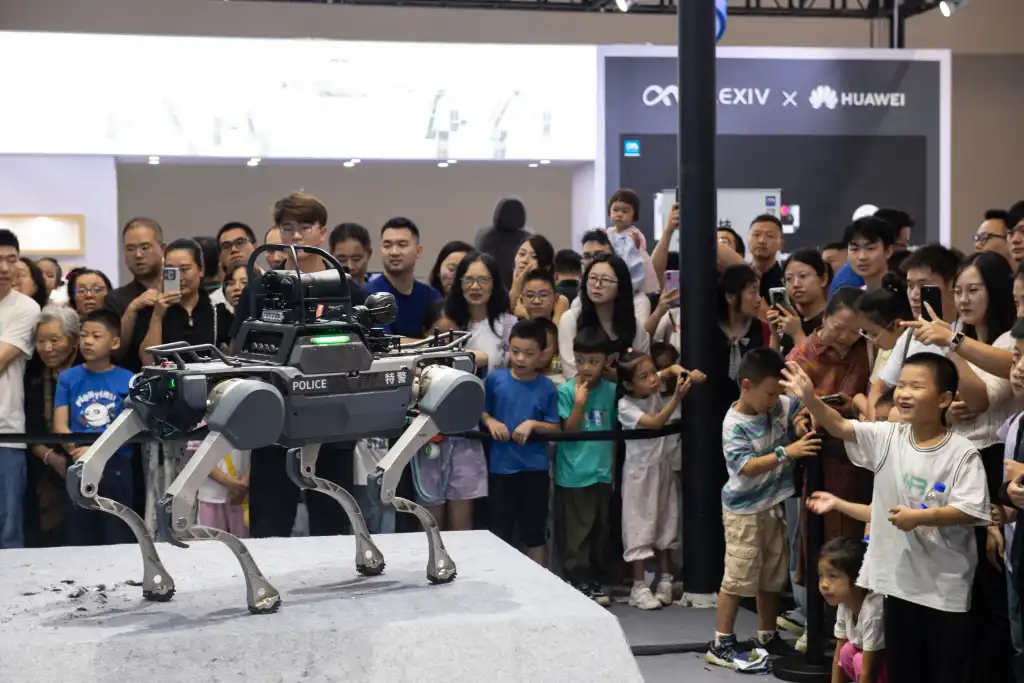
The 15th Five-Year Plan, which began this year, reflects a deepening of this transition. It identifies strategic emerging industries such as integrated circuits, commercial aerospace, biomedicine and the low-altitude economy, while prioritizing future industries including embodied artificial intelligence, quantum technology, brain-computer interfaces and sixth-generation wireless (6G). It also emphasizes modernizing traditional industries through digitalization, intelligent manufacturing, advanced equipment, and new materials. Thus, technology is expected to not only drive growth in a few emerging sectors but also to transform the entire economic ecosystem.
This transition changes what finance in China must do and calls for a different financing architecture. The Chinese leadership has determined that finance should serve the real economy and serve technological innovation rather than become an end in itself. As China’s real economy itself evolves, its financial system must evolve with it.
China’s old growth model centered on export growth, infrastructure investment, manufacturing expansion, and property development. This growth model has been served by a state-dominated, bank-centered system that excels at financing tangible assets with predictable cash flows and physical collateral. Such a system is less well suited to allocating capital toward early-stage innovation where the principal assets are intangible, such as intellectual property, data, research capabilities, and entrepreneurial talent. The commercial prospects of such investments are inherently uncertain and long-term, and their valuation depends less on existing collateral and more on expectations about future potential.
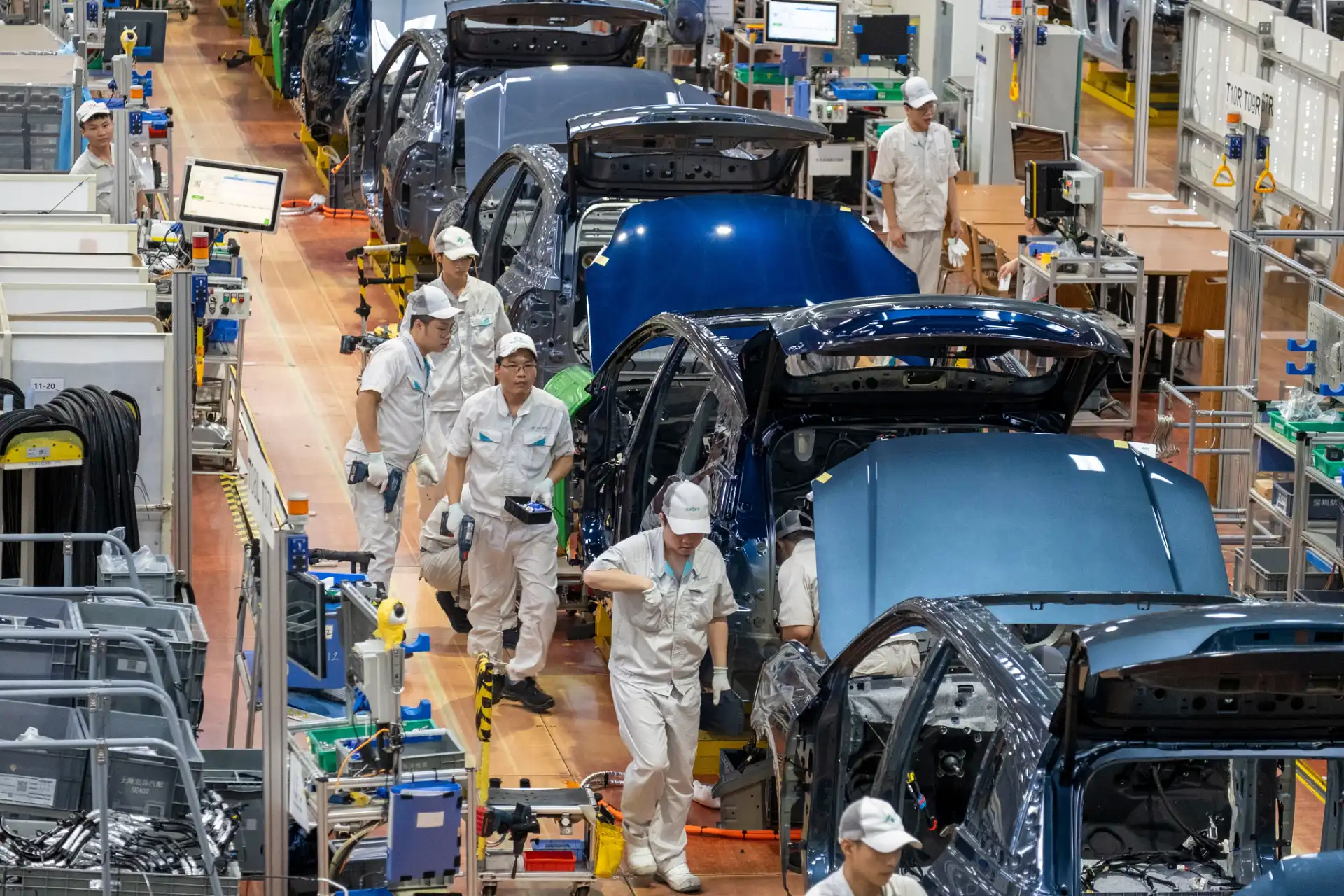
As the Party leadership seeks simultaneously to strengthen technological self-reliance, raise productivity, and commercialize indigenous innovation, it needs the financial system to do more than mobilize capital. It needs it to price and allocate risks. Financing frontier innovation requires investors willing to underwrite uncertain intangible assets with long and less clearly defined time horizons, as well as no substantial present collateral.
Why Beijing needs Hong Kong as its offshore financial center
But financing innovation is not simply about supplying more risk-taking capital. Plenty of scholarship in law and finance has shown that external equity finance depends on legal protection, disclosure, governance, and credible market institutions. Hong Kong is well positioned to offer Chinese firms a commercial environment that international investors understand – disclosure rules, legal practices, arbitration institutions, accounting standards, investment banking networks, analyst coverage, and other professional services. These are the institutional capital that helps make Chinese tech companies more transparent to global capital and global markets. They also give international investors greater confidence in assessing firms whose business models, ownership structures, and regulatory environment may otherwise be unfamiliar.
Transparency matters especially for young tech startups whose assets are often intangible and whose value depends on expectations about future growth. But such conditions cannot be created overnight through government commands or administrative directives. They can only be accumulated over time through repeated engagement by a wide range of stakeholders and participants.
Hong Kong’s own reforms show how institutional capital matters for China’s aspirations to achieve an innovation-driven growth model. In 2018, Hong Kong Exchanges and Clearing (HKEX) changed its listing regime to attract new-economy companies, including allowing pre-revenue biotech firms to list under Chapter 18A.
This happened at a time when Chinese biotech and pharmaceutical firms were beginning to move from generic manufacturing and contract research towards original drug discovery, clinical development, and global licensing. Chinese biotech startups needed public equity markets that could place a value on pipelines, patents, clinical milestones, and future commercialization beyond current profits. Hong Kong provided such a route.
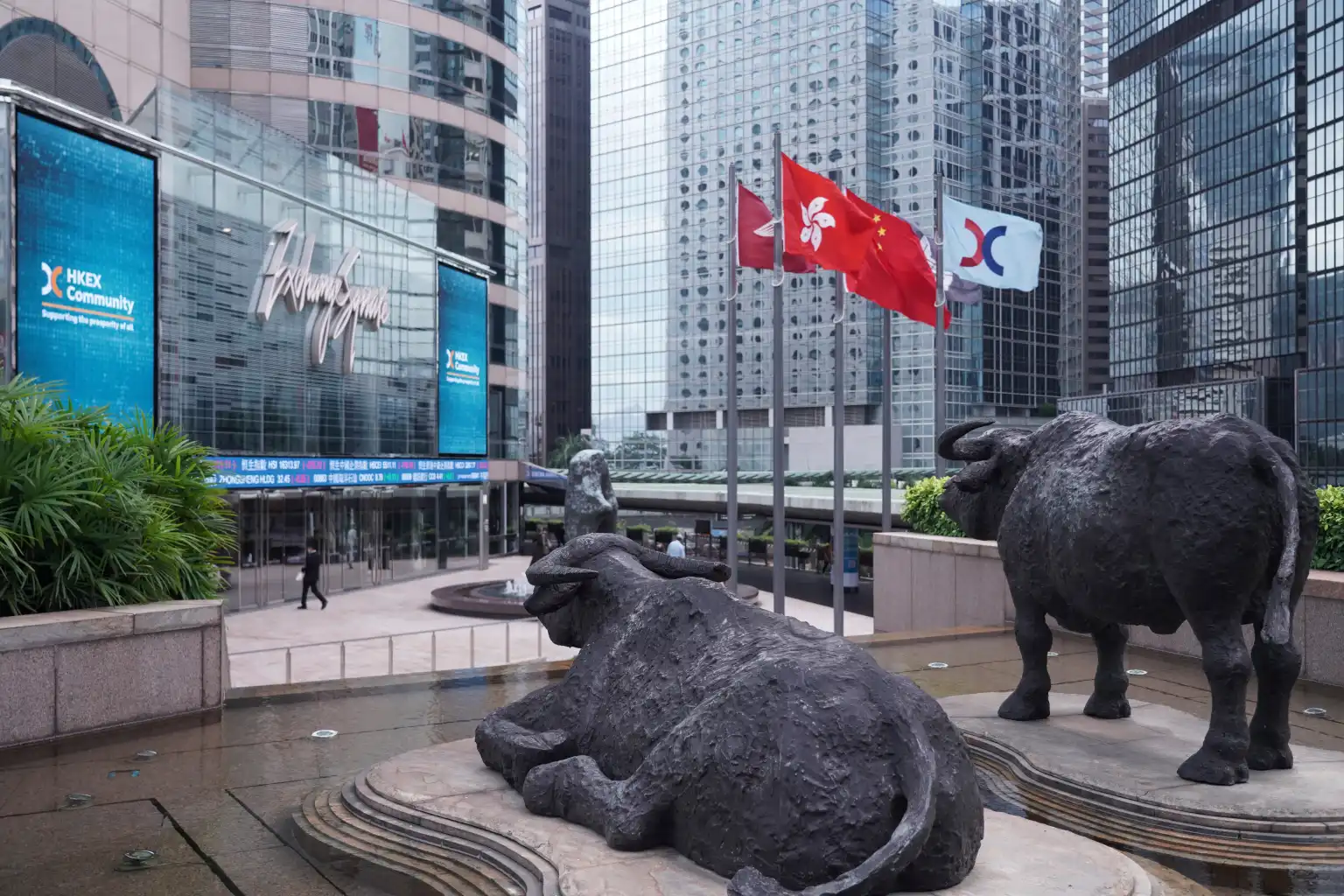
By April 2026, 86 companies had listed under Chapter 18A, raising more than $17.8 billion. During this same period, Chinese biotech has become increasingly global. Licensing deals from Greater China rose sharply, reaching $137.7 billion in 2025, as multinational pharmaceutical companies sought access to Chinese-developed drug candidates. While Hong Kong did not create China’s biotech boom, its listing reforms provided many firms with a more internationally legible financing platform. It helped turn intangible assets into securities that global investors could evaluate in ways they were familiar with.
Institutional capital matters even more as geopolitical tensions complicate cross-border investments. Both Beijing and foreign governments have come to view cross-border capital flows involving technology companies through a national security lens, as economic interdependency has exposed strategic vulnerabilities embedded in global production networks and financial plumbing. Chinese authorities have tightened scrutiny of overseas listings and data-sensitive firms.
The episode with ride-hailing app DiDi Global showed how data security and overseas listings could collide. After its 2021 New York listing, Chinese regulatory scrutiny and cybersecurity concerns forced the company’s decision to delist from the NYSE. Foreign governments have also expanded investment screening, export controls, and technology-related restrictions that have narrowed the space for Chinese firms to raise and deploy capital internationally. As a result, Chinese tech companies need sophisticated international equity financing precisely when traditional channels have become more politically exposed.
Why Hong Kong’s strategic function goes beyond finance and capital markets
In this context, Hong Kong has become more, not less, strategically important. Hong Kong’s value to China’s technology future is ultimately institutional rather than geographic. While domestic capital will remain essential to China’s innovation drive, Hong Kong performs a strategic function that goes beyond finance and capital markets. It concentrates the institutional capacity that allows Chinese tech firms to engage international investors and global business on terms that foreign counterparties understand. No mainland Chinese financial hub can fully replicate this role.
However, this is also where the harder question lies. Hong Kong’s value and credibility in providing institutional capital for Chinese firms is not self-sustaining. It depends on whether global investors, multinationals, and other stakeholders continue to believe that Hong Kong offers an open market, predictability, transparent information, and professional autonomy distinct enough to justify its role as a unique gateway to China. AmCham HK’s 2026 Business Sentiment Survey in February captured this ambiguity. Confidence in Hong Kong’s rule of law was high among respondents, and most said the National Security Law enacted in 2020 following political protests had not directly harmed operations.

Beijing is likely to find that tension around overseas perceptions is hard to avoid. The more China wants Hong Kong to help finance its indigenous innovation and support Chinese firms going global, the more it needs Hong Kong to preserve the international credibility that makes such functions possible. Hong Kong’s international character is increasingly shaped by its integration with the mainland. If integration erodes the confidence of the foreign firms and investors that co-produce Hong Kong’s institutional value, the city becomes less useful to China’s own strategy.
As geopolitical competition and economic security concerns are raising new barriers to the free flow of capital, technology, and people, the strategic value of trusted gateways inevitably increases. Hong Kong’s role is not to erase geopolitical tensions. It cannot. Its role is more limited but no less important, to preserve channels through which commercial and financial exchange can continue despite unabated geopolitical tensions.
Hong Kong has played such a role historically, even when China was undergoing war and international embargo. As China continues to strengthen safeguards around its own strategically critical technologies while building globally competitive firms that compete at the technological frontier, it will continue to need gateways through which its most innovative companies can access international capital and reach the rest of the world.
Even the Great Wall was built with gates. Hong Kong’s enduring value lies in serving as one of China’s principal gateways to the world.

Dr. Zongyuan Zoe Liu is Maurice R. Greenberg fellow for China studies at the Council on Foreign Relations (CFR). She was a keynote speaker at AmCham HK’s annual China conference in April 2026. Dr. Liu’s work focuses on international political economy, global financial markets, sovereign wealth funds, supply chains of critical minerals, development finance, emerging markets, energy and climate change policy, and East Asia-Middle East relations. Dr. Liu’s regional expertise is in East Asia and the Middle East. Dr. Liu is the author of Can BRICS De-dollarize the Global Financial System? (Cambridge University Press) and Sovereign Funds: How the Communist Party of China Finances its Global Ambitions (Harvard University Press).
Dr. Liu received her PhD in international relations from Johns Hopkins University and her MA in international relations from the George Washington University Elliott School of International Studies. She received her BA in history from Shandong Normal University in Jinan, China.