

Visitors to Hong Kong in the early 20th century were astounded by the range of sports that the colony offered, from cricket to rowing and horse racing. In the 20th century, the construction of leisure facilities across the city gave Hong Kong its first Olympics team in 1952 and the world’s largest per capita count of swimming pools.
The last 30 years have seen a new phenomenon, as the sports industry began to see the potential of Hong Kong. The first to arrive were the brand and apparel manufacturers, using Hong Kong as a regional headquarters and sourcing hub. More recently, sports media, event management companies and marketing companies have arrived, scenting opportunity in the panoply of new arenas across the Greater Bay megalopolis and prospects of its US$1 trillion economy. AmCham sits down with Loron Orris, a veteran of three decades of sports development in the city and chairman of AmCham’s Sports Committee, to find out more.
The world’s largest “urban playground”
When Loron Orris arrived in Hong Kong with a one-way ticket from Toronto in 1994, the city was at an inflection point in sports. The Hong Kong Stadium had just opened, on the site of the old Government Stadium, and the first AsiaSat commercial satellite had gone up a few years before, with media companies using it to build out cable and broadcast networks. To build out their subscriber bases, sports was a natural draw.
“You had ESPN and Star Sports, and the whole media landscape changed suddenly,” says Orris. “Hong Kong went from four terrestrial TV channels to literally hundreds of cable and satellite channels. And a big, big opportunity developed in the sports industry, which is often led by broadcast media.”

By that time, Orris was working for the National Basketball Association, as its first permanent hire in Asia, initially from a spare desk in a consultant’s office in Lan Kwai Fong.
“These new satellite networks meant that the NBA had many new broadcast partners that we needed to service, and we also had other event and sponsorship opportunities that were coming to us,” says Orris. “Michael Jordan and the Dream Team at the Barcelona Olympics in 1992 generated huge international attention and basketball was going global. People look at the success of the NBA today in Asia and its growth is accelerating. One of the main reasons is that the NBA recognized the need to have people on the ground to truly grow the sport and the brand.”
Fast forward to 2025 and Hong Kong is at another turning point in its journey in sports. The Hong Kong government has turned to sports as one of the drivers for revitalizing the economy and has done so with an investment in hardware spectacular enough to evoke comparisons with the opening of its $20 billion international airport in 1997.
The new, HK$34 billion (US$4.4 billion) Kai Tak Sports Park, built on the site of the old Kai Tak airport that was demolished after Chek Lap Kok International airport supplanted it, was designed by the world’s top stadium architect, Kansas City, Missouri-based Populous, and is being managed by the world’s top sports venue management company, ASM Global, now owned by Legends Global. It has already made a huge difference.
“Kai Tak has really been an incredible development for the overall sports ecosystem in Hong Kong,” says Orris. “It’s not just the venue itself, it’s everything around the sports industry that is impacted by it. Key issues for the government have been, how do we build elite sports to create local heroes and inspire others? How do we make ‘sports for all’ more accessible to increase participation? How do we attract international events and develop sports tourism? How do we develop sports as a larger industry and build professionalism and opportunities within the sports industry to help it grow? Kai Tak supports those key drivers in ways that just weren’t there before.”
A new era for sports in Hong Kong
“When you think about it, the opening of Hong Kong Stadium in 1994 created a different era, and now there is another big shift with the opening of Kai Tak,” says Orris, whose enthusiasm is catching.
“Not only is it a new era for sports in Hong Kong but also for the Greater Bay Area (GBA). As we see more events coming here and more activations, it is clear there is a growing demand for sports and entertainment from a regional perspective. There’s so much happening, and it’s become very accessible, because regional governments in the GBA and the central government in Beijing have put a premium on the ease of connectivity to travel to these different events.”
There is no question that a surge in public funding for sports has played a role in re-branding Hong Kong as a venue for major international sports events. Kai Tak Sports Park, with its 50,000-seat “Pearl of the Orient” stadium and two companion arenas, was the most visible milestone, but funding for elite athletes has helped produce the most Olympic medalists Hong Kong has ever seen, starting with six in the 2020 Tokyo Summer Olympics and four at the Paris Olympics in 2024, and its 85 National Sports Associations (NSAs) are also getting a facelift with the help of the Hong Kong Jockey Club.
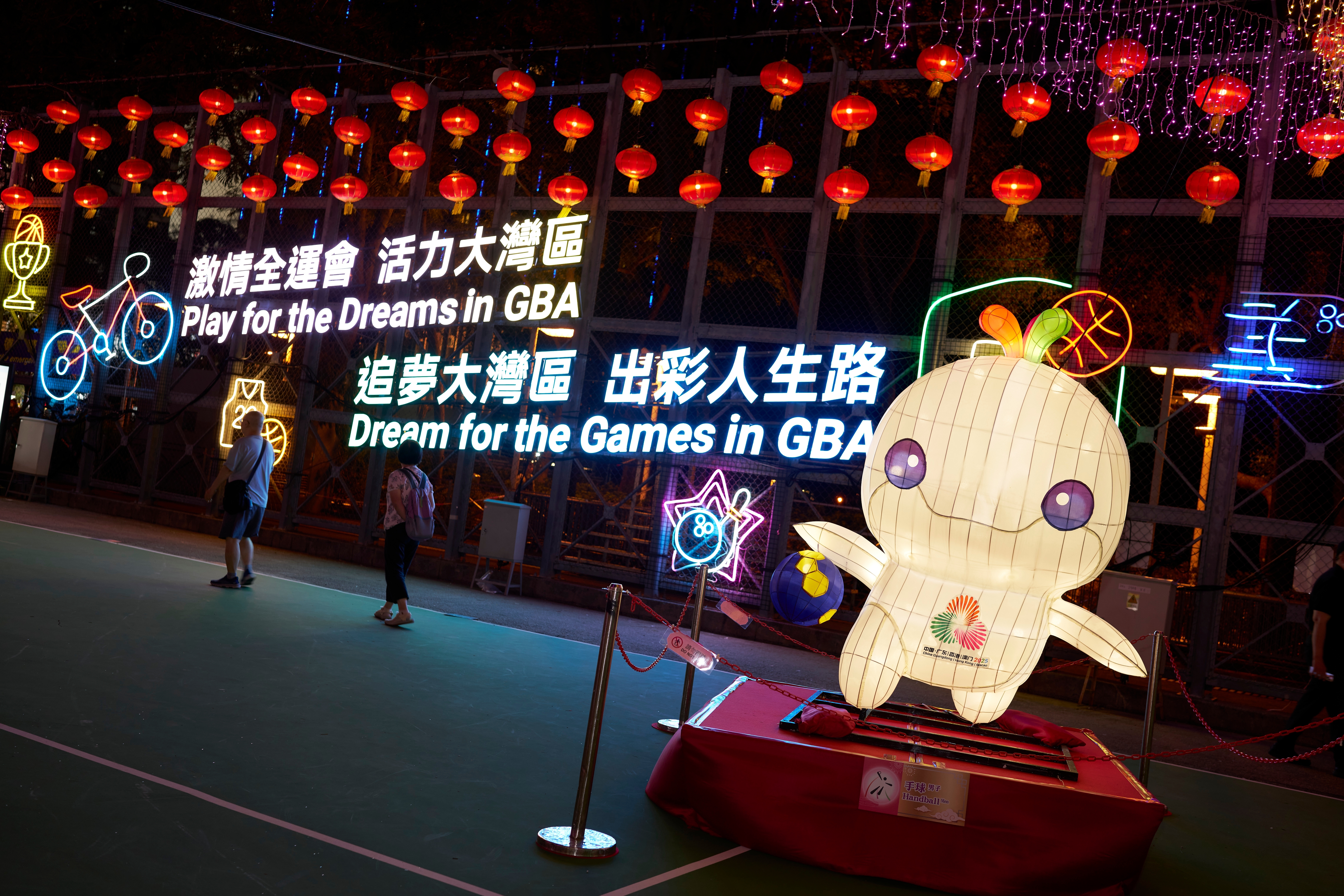
The government has also placed top priority on China’s 15th National Games and 9th Special Olympic Games, with events from October through November, organizing cross-border test events in men’s cycling and the two mass participation events, bowling and para dance. For the National Games, Hong Kong is hosting eight events – men under 22 basketball, track cycling, fencing, golf, men’s handball, rugby sevens, triathlon and beach volleyball – and one mass participation event, in bowling. This is the first time Hong Kong has participated in the National Games, which serve as a proving ground for future integration of events across the GBA and even a potential GBA bid for the 2036 Olympics.
Spending on the Hong Kong Sports Institute, which trains Hong Kong’s top athletes, has increased by nearly 60% over the past six years, with an annual budget of HK$942 million in its most recent fiscal year. This has allowed it to add to the number of athletes under its wing, with a current headcount of 631 full-time athletes and 583 part-time athletes. The Jockey Club is spending HK$31 million to train 1,200 sports professionals at Hong Kong’s NSAs, to improve governance at the associations. The Hong Kong Sports Commission has also updated its M-Mark system of providing matching funds for events and is planning to invite international sports associations to work with the NSAs to establish a presence in Hong Kong.
Out of total spending on sports in the 2024-2025 fiscal year, the government allocated nearly 80% of its HK$7.9 billion sports budget to community sports. Overall spending on sports doubled over the decade, according to the government, which calculated the value-added of sports at HK$38 billion in 2022, 1.4% of Gross Domestic Product, and an increase of 12% over 2017.
“Of course, the government wants people to be more active,” says Orris. “One of the key things about the sports industry is that it’s clearly getting more tied in with health and wellness and even longevity. This is a trend we have seen for many years, but it accelerated post-pandemic.”
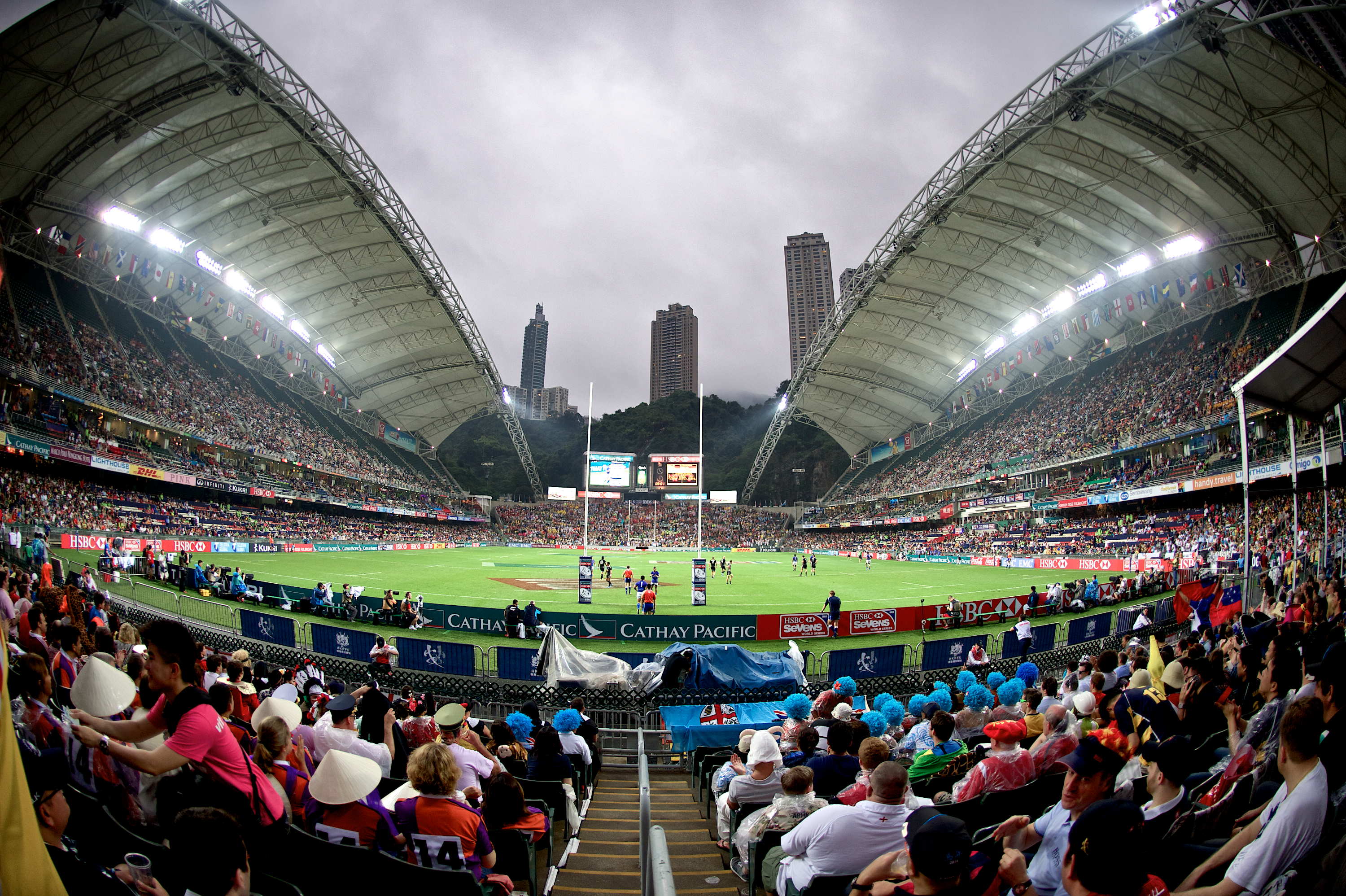
“Hong Kong is already quite an active place,” he adds. There are so many different sports you can play here. It’s an urban playground. And so, all these different parts of the industry, from amateur athletes training in different places in Hong Kong and new professional leagues and international sports properties and teams basing their offices here, it’s all part of the big ecosystem.”
One big sports business ecosystem
“Hong Kong has been a hub for sports companies from the 1980s and 1990s,” says Orris, who was part of the team opening Hong Kong Stadium in So Kong Po in 1994, before going to work for the NBA. “A lot of the regional headquarters of sports equipment and footwear brands are here, whether they manufacture in China, Vietnam or around the region.”
“The industry is very broad and includes everything from people playing sports, which leads to the push to create more facilities, to building out different elements of the sports business, like events and sponsorship,” he adds. “One of the most interesting things about sports is that it really touches almost every type of industry you can imagine, from footwear and apparel to sports tech, health tech, sports law and sports finance.”
There is a virtuous circle between the new events coming to Kai Tak Sports Park, events played at Hong Kong Stadium, and new sports embraced by the Hong Kong public, Orris says. Weather could play a huge factor with football matches in the past, but that becomes less of an issue when you have a covered, air-conditioned stadium.
“Already we have seen very high-profile football events like the Hong Kong Football Festival with Premiere League champions Liverpool FC versus AC Milan, and Arsenal versus Tottenham. Other events, like the Saudi Super Cup in August that featured the debut visit of Portuguese superstar Cristiano Ronaldo and his Al-Nassr club facing Al-Ahli,” says Orris. A crowd of 30,000 cheered wildly for Ronaldo, with Secretary for Culture, Sports and Tourism Rosanna Law Shuk-pui and Financial Secretary Paul Chan Mo-po looking on.
New formats of sports are being developed globally and coming to Hong Kong, as well. LIV Golf, the Saudi-backed league, was sponsored by HSBC for the first time in the league’s short history. Chubb Ultimate Tennis Showdown by Humansa, played at Kai Tak in October and an inaugural pickleball tournament, the PPA Hong Kong Open 2025, played at Kai Tak in August Both LIV Golf and UTS represent new formats of the sport with have music and are highly interactive with their audiences, compared with traditional golf and tennis matches.
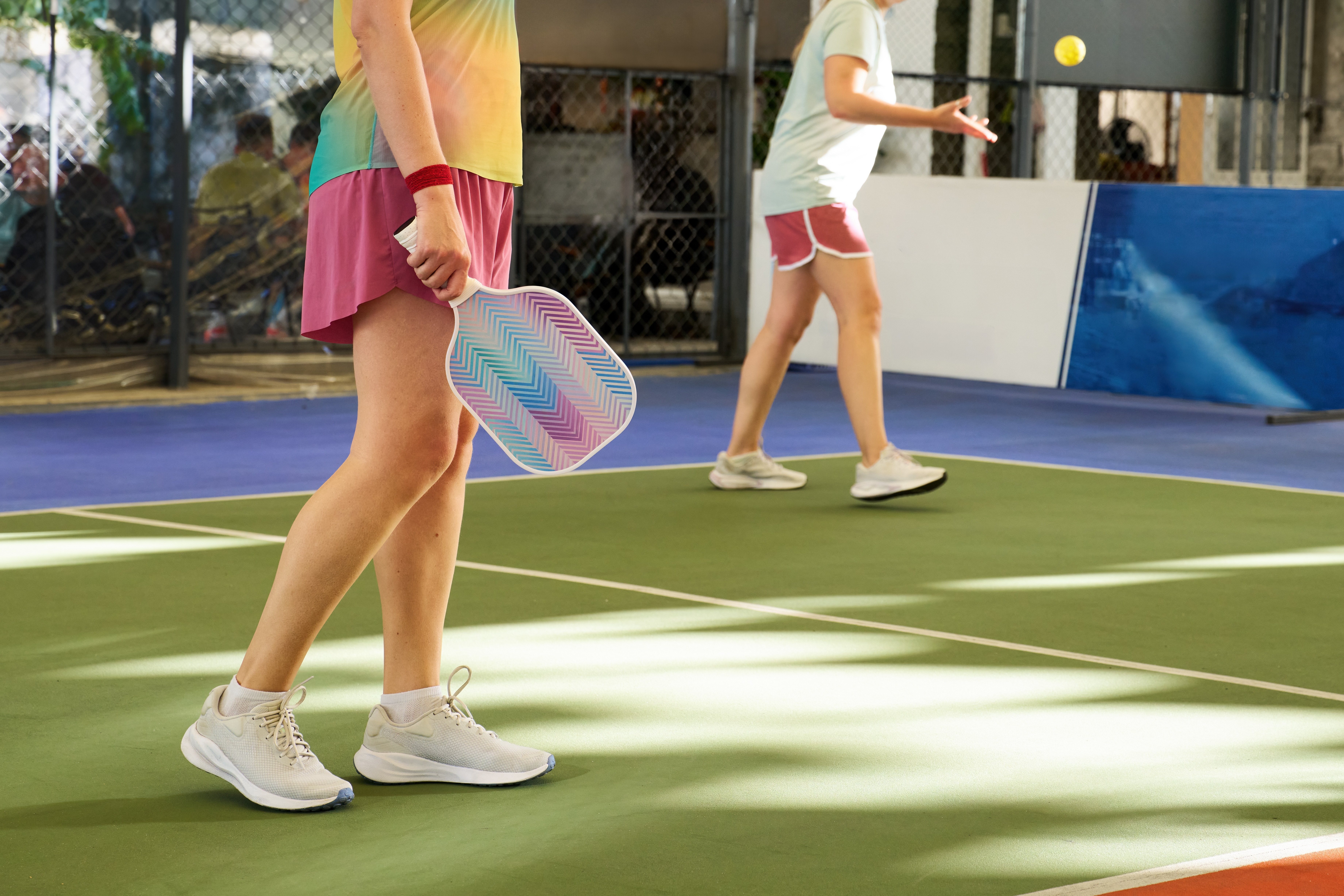
Pickleball and Padel are two more examples of the new sports attracting fans, players and sponsors. Pickleball has been around since 1965, and Padel since 1969. People are building and redeveloping real estate in Hong Kong to put in pickleball courts to support demand for these two rapidly growing sports. “There’s a real pipeline of interesting, unique international events coming here and new intellectual property (IP) flourishing with many more to be announced in the coming months” Orris says.
The new ties between sports and lifestyle are impacting real estate as well. Consider Go Park Sai Sha, the million-square-foot integrated sports park development by Sun Hung Kai Properties, with its commercial complex designed by Zaha Hadid Architects, that has had more than 10,000 visitors every weekend since it opened in January 2025. The sports park, located adjacent to the Ma On Shan country park, is a combination of sports, wellbeing, lifestyle and nearby natural surrounding tied with real estate development.
The rising sports ecosystem has attracted sports businesses, some of them new to the city. The National Basketball Association (NBA) and Liberty Media, which owns Formula 1 and Moto GP, and Wasserman, whose founder Casey Wasserman is chair of the Los Angeles 2028 Olympics Organizing Committee, all have set up regional head offices in Hong Kong.
Some well-known consumer brands have made Hong Kong their home for decades, with global sportswear and apparel brands like Nike, Under Armour and New Era, which have have their regional head offices and sourcing offices in Hong Kong. FC Barcelona, Juventus, and American-owned Premier League teams like Manchester United and Chelsea keep Hong Kong offices to promote their clubs. Sports tech is also well represented, with companies like Apple, with its Apple watch health and sports monitor, and Microsoft, with its AI-powered assistant Copilot that provides sports analytics among other applications, and longstanding partnership with Hong Kong’s national football league.
Major mainland and GBA investors are discovering the valuation attractions of sports leagues, with Blue Pool Capital investing in NBA basketball and National Football League (NFL) teams through its owner, Joe Tsai, who also owns the Brooklyn Nets and New York Liberty. Blue Pool recently led the seed investment round for the new Asian University Basketball League. Mario Ho, son of the late tycoon Stanley Ho, also recently bought into the Boston Celtics.
A sports ecosystem bursting at the seams
In some ways, demand has outstripped supply in Hong Kong’s sports ecosystem. A rising demand for venues shines a spotlight on a venue management system that is not quite ready for prime time. In one widely publicized case, a magazine publisher turned first-time sports event manager helped foster a diplomatic incident when a star player dropped out of its exhibition match. The Mark M system also got a black eye for choosing the management company and funding the event.
Lesser events often wait for venue approval until days before the event, making advance scheduling next to impossible. With new sports outside the NSA framework, a subsidy scheme under the Leisure and Cultural Services Department that meets only once a year, if a new sport is rejected for paperwork reasons, they may not find out about it until the day before the announcement and then wait for another year.
That Kai Tak Sports Park contracted Los Angeles-based ASM Global, now under the Legends Global umbrella, is a big step in the right direction, and potentially can generate a flywheel effect in sports management in Hong Kong more broadly. The International sports businesses based in Hong Kong also bring expertise from the many industries with expertise and practices in sports, from finance and law to AI-driven content creation for sports advertising and sponsorship.

Sophisticated approaches to marketing – sports “activations” through key influencers and pop-up events – are creating opportunities for monetization as well as expanding the fan base of superstars like Shaquille O’Neille, who served as brand ambassador for the 2025 NBA China Games in Macau together with his entourage from Authentic Brands Group, the global brand development and licensing company he joined in 2015 after leaving a 19-year career in NBA basketball.
A 2036 Summer Olympic bid for the GBA?
When the equestrian games were held in Hong Kong during the 2008 Olympics, it was the first time Hong Kong was integrated into a Chinese national sports event. Hong Kong’s participation in the National Games may preview the future of sports in the GBA, with the region offering a compelling combination of new arenas, world-class hotels and tourism infrastructure, connectivity through high-speed rail and enthusiastic sports fans and their spending power.
Current discussions around a bid for the 2036 Summer Olympics are beginning to focus on the GBA, although the decision could be over a year away. The National Games were a “perfect test and proving ground for a GBA bid,” Orris says. “Many of the sports facilities are already built. The GBA is the world’s ninth largest economy, has 88 million people, a great transportation network and a growing population of sports fans.” Recent visits from current International Olympic Committee president, Kirsty Coventry, and past president Thomas Bach signal increased interest in the potential of the GBA from the IOC.
“One of the best things that has happened with all the different developments in the sports industry, with new venues in Hong Kong, Macau and Shenzhen, is that you will see many more tourists discovering or rediscovering Hong Kong,” says Orris. “If there are events in Macau, people will visit Hong Kong as part of that experience, especially if they are international travelers. Just thinking about a GBA bid for the 2036 Olympics creates new approaches and opportunities and for sports, leagues, teams and federation to look at parts of the region they may not have considered before.”
From Toronto’s Skydome to Hong Kong Stadium
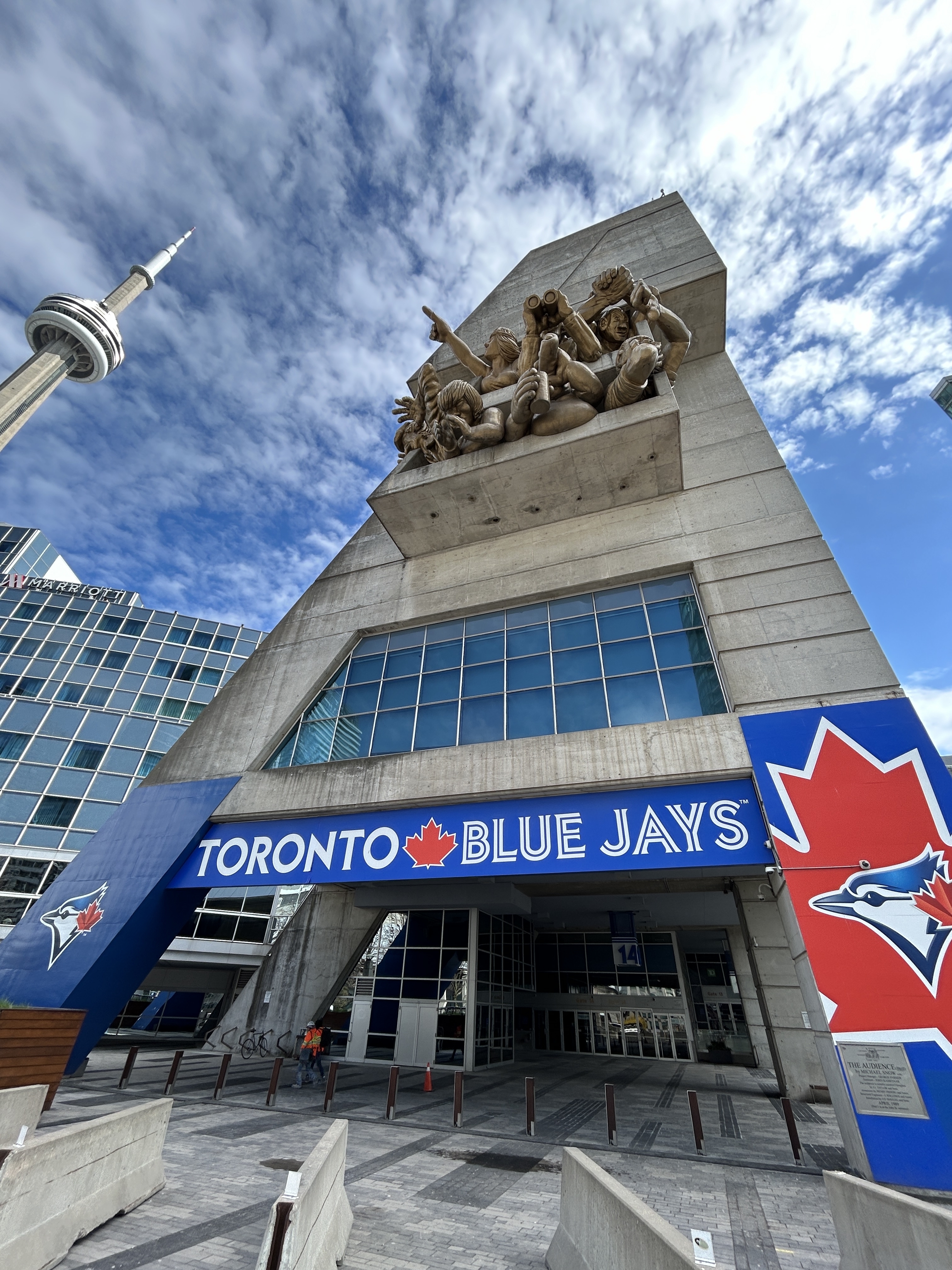
A Canadian, Orris initially broke into the sports business as part of the team working on the opening of Toronto’s famed Skydome, now called Rogers Center, and home of the Toronto Bluejays baseball team. An MBA at the Ivey Business School and a term at the National University of Singapore inspired Orris, age 31, to buy a one-way ticket to Hong Kong in 1994, where Hong Kong Stadium was just opening.
As he tells the tale, it was a combination of luck and accident that he became the NBA’s first employee in Asia. Loron’s first role was to open Jimmy’s Sports Bar at Hong Kong Stadium and develop programming and events. He built a network of more than 1,000 contacts that tapped into Hong Kong Stadium as suppliers, distributors and media. The sports industry was booming, and when Orris heard that the National Basketball Association (NBA) was setting up an office, he cold called them. “I think it would be great to work with you,” he said. They hired him. He now has his own company advising clients in the sports industry on market entry, commercialization and fundraising.

Loron Orris is founding partner of Asia Sports Tech and chairman of the Sports Committee of AmCham Hong Kong. He has over 25 years of experience in Asia Pacific in corporate strategy, sports marketing, sales and business development for the National Basketball Association (NBA), IMAX, the Ivey Business School, and was a Co-Founder of Asia Sports Tech (AST). He was the first person hired in Asia by the NBA and eventually became the Managing Director of NBA Asia. He was also the first person hired in Asia by Imax, responsible for film distribution and later became the Managing Director of IMAX Japan. He is a mentor at sports tech accelerators Stadia Ventures in the US and active with Sports Tech Tokyo in Japan and has lectured on Global and Asia Sports Management at The Chinese University of Hong Kong and Ivey Business School.