
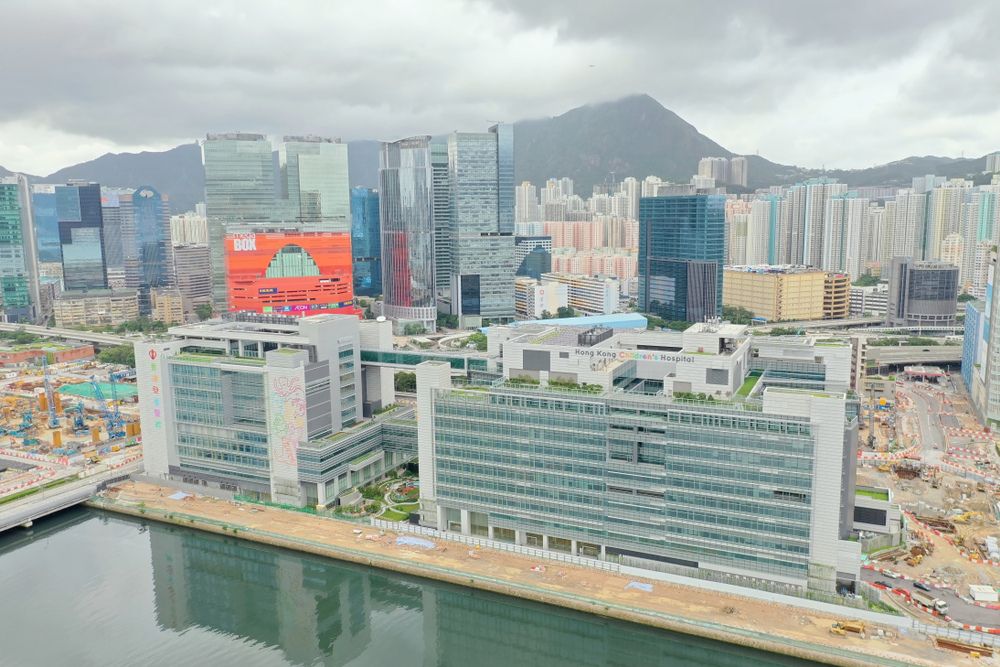
Hong Kong is gearing up in a big way in biomedical and clinical research towards establishing itself as an innovation hub for biopharma and biotech. While these efforts have focused on the supply side, there is a significant opportunity to focus on the demand side too – how to leverage Hong Kong’s existing strengths in medical specialties and world-class hospitals to target patients seeking high end medical and surgical care from across the world. Krish Sundaresan, a veteran of both the pharmaceuticals industry and hospital management, explains how to do it.
Healthcare delivery is not a level playing field
Healthcare delivery is a complex, technology and manpower-intensive field, especially when it comes to tertiary care. Globally, medical and surgical tertiary care have been evolving at a faster pace in the last decade due to rapid advances and innovations on the supply side. Due to cost, capability and regulatory constraints, these supply-side capabilities are typically available only in a few developed countries in the world. Patients across the world who can afford these cutting-edge treatments have to travel to these countries to access the treatments and medical practitioners who can deliver them.
If we look at healthcare from the demand side, starting from the patients and the caregivers around them, the picture is quite different. Their ability to understand the latest treatment possibilities, navigate the treatment pathways and eventually reach a hospital where the latest, innovative treatments are available, is quite limited. There are hospitals in many parts of the world that are quite adept at marketing their services and attracting discerning patients to their facilities. Some examples include Thailand, India, Mexico and Turkey. However, most of these destinations focus on “medical tourism” where cost is the key parameter and access to the latest innovations is not the key value proposition.
“Medical tourism” versus high-value medical services – Hong Kong’s niche
Hong Kong has a reputation for its advanced tertiary care institutions, both in the public and private sectors. Hong Kong was also one of the earliest markets in Asia to launch the latest medicines and devices. Hong Kong private hospitals were catering to visitors from mainland in a significant way before the pandemic. How do we scale this capability to be able to attract patients seeking high-value and innovative treatments, not only from mainland, but from other parts of Asia and beyond?
Medical tourism has boomed in places like Thailand, where lower costs, good quality and convenience have helped build popularity. But cheaper treatments and hotel-like amenities do not help with highly challenging treatments, where patients tend to seek care in renowned facilities especially in the United States, like the MD Anderson Cancer Center in Houston, Mayo Clinic in Arizona, Florida and Minnesota and Cleveland Clinic in Ohio. Their emphasis here is on high-value treatment capability with faster access to innovative medicines and devices.

From a patient’s perspective, the US has challenges, including difficulty in obtaining visas, inter-continental travel, climate and cultural differences. Almost everywhere else lacks the cutting-edge therapeutic and clinical infrastructure or is a less friendly environment for non-resident patients. In Asia, Japan has outstanding institutions but is challenging because of language barriers, as is South Korea.
Hong Kong’s advantages as a high-value medical services center
Although Singapore and both Dubai and Abu Dhabi in the United Arab Emirates have been building medical tourism capabilities, they are still well behind Hong Kong in a basic statistic, private hospital beds. Singapore has 1,766 private hospital beds, Dubai just under 4,000, and Abu Dhabi has 3,300 private hospital beds. Hong Kong had 5,207 beds in 14 private hospitals in 2022, according to the Department of Health and the Hong Kong Private Hospitals Association.[i]
Hong Kong could establish itself as not just a regional but a global hub for high-value medical services. In 2019, the medical tourism market was estimated at US$74 billion to $92 billion, with approximately 21 million to 26 million cross-border patients worldwide, spending an average of US$3,550 per visit.[ii] The market for high-value services, at an estimated US$30,000 per patient (HK$234,236) is about US$6 billion. If we take a similar baseline of HK$200,000 for high-value patients, 5,000 patients would bring HK$1B in revenue to Hong Kong.
Hong Kong has another advantage, as an open market where the pathways to bring new drugs to market are transparent. The Hong Kong government is preparing a new Hong Kong Center for Medical Products Regulation (CMPR) which will help accelerate the launch of new drugs and medical devices to the market, according to Hong Kong’s chief executive in his policy address last October, where he promised to make Hong Kong into a “Health & Medical Innovation Hub.”[iii]
What I envision, over the next ten years, is that if Hong Kong could put together the infrastructure and attract capabilities on top of the ones it already has, it could be among the world’s foremost destinations for high-end medical treatment. How to get there is the billion-dollar question.
How to get there
We need three things: First, we need to enhance and expand infrastructure. Second, we need capabilities in the private sector to be able to cater to larger number of patients seeking high value treatment. And third, we need marketing.
Although Hong Kong has some excellent new private hospitals in addition to the well-established ones, these are not enough to support both local and external demand. The 500-bed Gleanagles Hong Kong Hospital, a joint venture between Singapore-based Parkway Pantai and Hong Kong-listed NWS Holdings Limited (0659.HK), with the University of Hong Kong as its clinical partner, opened in March 2017, at a cost of HK$5 billion. About the same size, and cost, the CUHK Medical Center, a non-profit teaching hospital, opened in January 2021.
Achieving scale
Part of the answer lies within the Greater Bay Area, by achieving scale. The 600-bed University of Hong Kong-Shenzhen Hospital opened in 2012 at a cost of 4 billion yuan (about $624 million); the Medical Center of the Chinese University of Hong Kong, Shenzhen, with 3,000 beds, is due to open in 2026 at a cost of 5.1 billion yuan. Both would support an initiative by Hong Kong to position itself as a globally recognized medical hub.
Acquiring international links and talent
However, to cement its reputation, Hong Kong needs international links. The Mubudala Development Company, Abu Dhabi’s sovereign wealth fund, brought the Cleveland Clinic to Abu Dhabi, which opened a 364-bed hospital in 2015. The same year, the Mayo Clinic and Raffles Medical Group in Singapore announced a collaboration as part of the Mayo Clinic Care Network. Hong Kong could look to similar collaborations with global leaders, like the Mayo Clinic or the Peking Union Medical College, which will be managing the new 800-bed Cotai public hospital complex in Macau.[iv]
Or it could invite the Cleveland Clinic or the Swedish Karolinska Institute to establish branches in Hong Kong. We don’t need massive facilities, just ones that will cater to high-end customers with the right infrastructure and people. Why go to the Cleveland Center in Ohio if you can go to the Cleveland Center in Hong Kong? Raising capital for infrastructure expansion is not easy. But Hong Kong knows how to do that. And a rising tide could benefit everyone, including the public sector. If you bring in new private hospitals, you could earmark part of the facilities for public services under the Hospital Authority.
We would also need to attract top talent, to help ease the shortage of medical practitioners but also to raise standards of practice. This is a difficult issue which the Medical Council of Hong Kong hopes to solve principally by training more local doctors and nurses, with some relief from mainland China practitioners. Abu Dhabi, Dubai, Qatar and Saudi Arabia are all dangling tax-free packages and other incentives to medical specialists to build up their healthcare ecosystems. Why not Hong Kong? At least in the private hospital sector, it would make sense to ease some restrictions to attract top talent.
Marketing
The third piece, after infrastructure and talent, is marketing. Why do people go for dental treatment to Bangkok from Australia? It’s cheaper, it’s pretty good, and you can add on a vacation in Phuket or Pattaya. Hong Kong will need to do a bit of packaging, by saying, if you come to Hong Kong, you will get the latest and greatest. We’ll give you easy access and an easy visa. Most countries don’t need a visa for Hong Kong to start out with. The currency is readily convertible. The infrastructure is good, the food is good, and the weather is okay. You don’t want to land in Dubai in summer when it is 48 degrees Celsius or in Germany in the peak of winter, especially when you’re sick. And it’s not the same as Tokyo or Seoul, which have language and cultural challenges. They might be fine for tourists, but it’s different if you’re there to get hospital treatment for a month.
The Hong Kong Government can attract private capital to invest in a high-value medical destination fund for Hong Kong. Then we can start talking about the capabilities that are needed and bringing in the talent. Marketing requires sustained, integrated efforts and satisfied patients will be the best brand ambassadors.
Krish Sundaresan is the General Manager and Managing Director of Pfizer Hong Kong where he manages the biopharmaceutical portfolio in core therapeutic areas including vaccines, medicines for oncology, inflammation and immunology, rare diseases, anti-infectives and internal medicine. Prior to his appointment in Pfizer Hong Kong, Krish held multiple leadership roles in Pfizer India as well as other MNCs including Novartis and J&J. He has been an active member of AmCham HK since April 2022, in particular, with the Healthcare & Pharmaceuticals Committee, and is a member of the AmCham Board of Governors.
[i] The Hong Kong Private Hospitals Association, https://www.privatehospitals.org.hk/en/hospitals.htm
[ii] Josef Woodman, Patients Beyond Borders (World Edition), 2024, https://www.patientsbeyondborders.com/book
[iii] “HK a health innovation hub,” October 25, 2023, news.gov.hk, https://www.news.gov.hk/eng/2023/10/20231025/20231025_091307_733.html
[iv] Tony Wong, “Macau inks deal with Peking Union Medical College,” February 13, 2023, The Macau Post, https://www.macaupostdaily.com/news/16876?tab=LATEST&date=2023-02-13
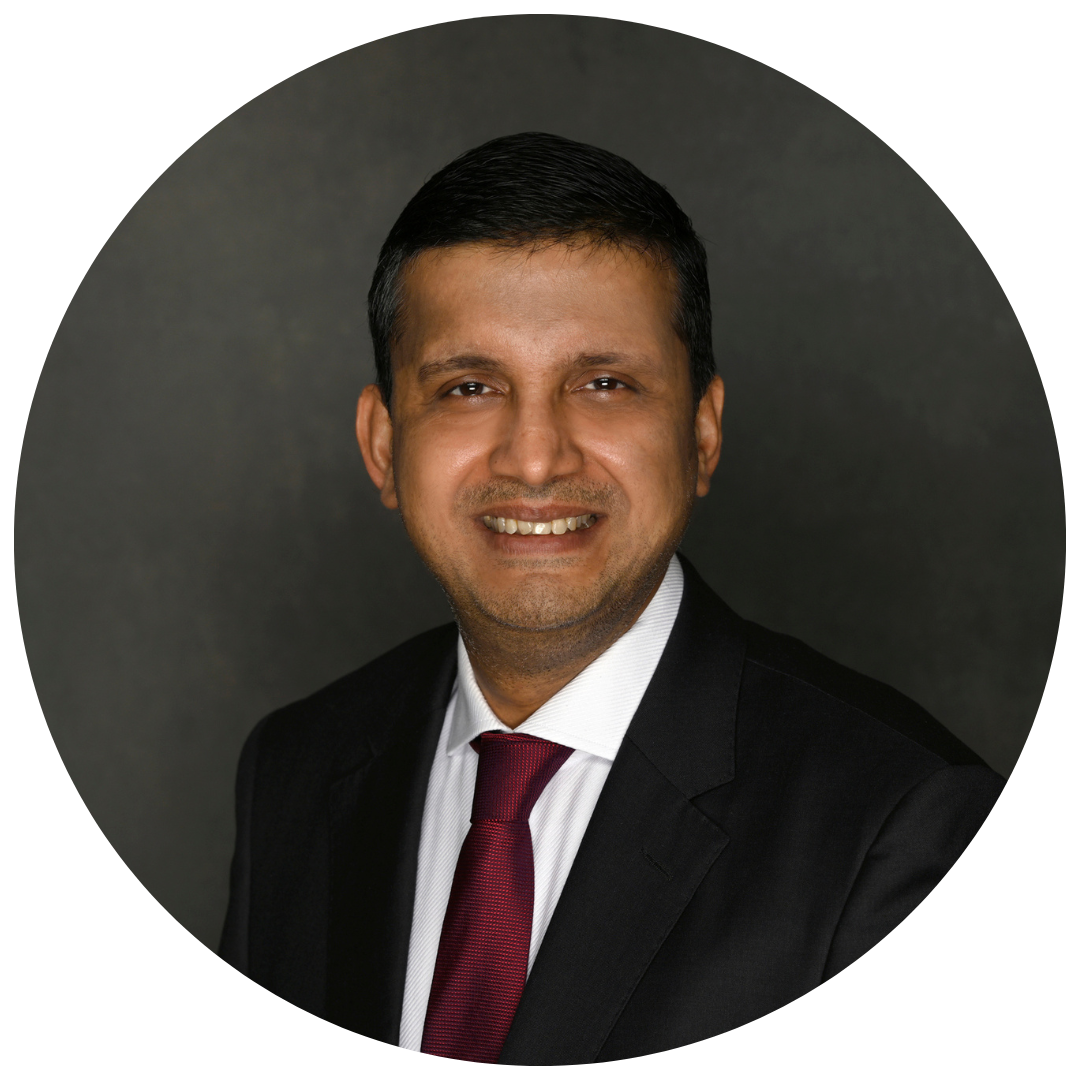
Krish Sundaresan is the General Manager and Managing Director of Pfizer Hong Kong where he manages the biopharmaceutical portfolio in core therapeutic areas including vaccines, medicines for oncology, inflammation and immunology, rare diseases, anti-infectives and internal medicine. Prior to his appointment in Pfizer Hong Kong, Krish held multiple leadership roles in Pfizer India as well as other MNCs including Novartis and J&J. He has been an active member of AmCham HK since April 2022, in particular, with the Healthcare & Pharmaceuticals Committee, and is a member of the AmCham Board of Governors.