
Not many brands have a history of over 200 years and can claim the leading rank in their industry. Colgate-Palmolive Company (NYSE:CL) is the world’s number one in toothpaste, number two in manual toothbrushes, and for two-thirds of the world’s population, Colgate toothpaste represents the first thing they use in the morning when they brush their teeth.
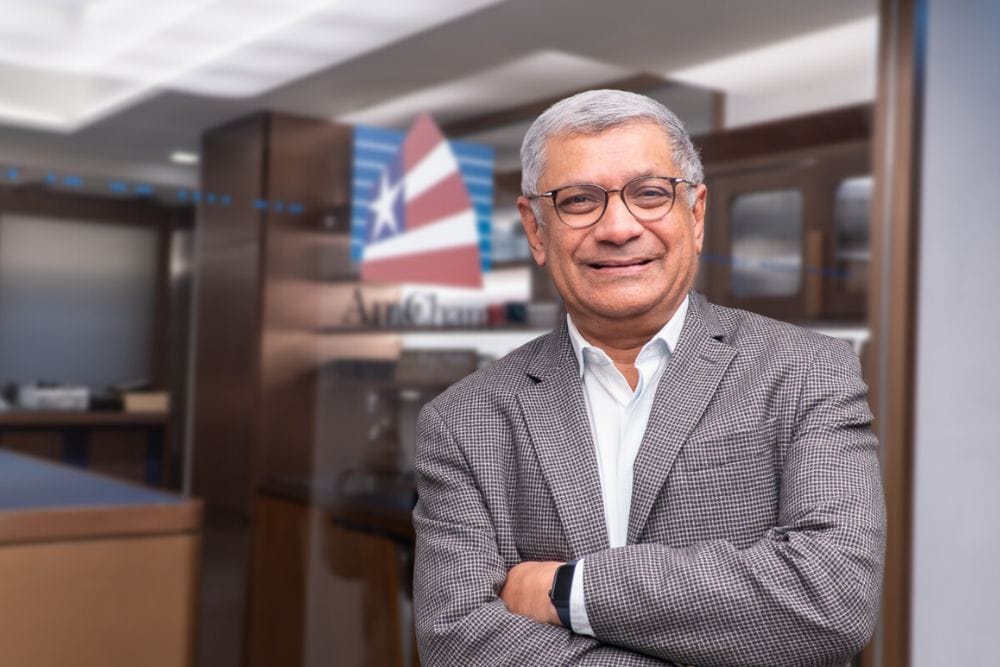
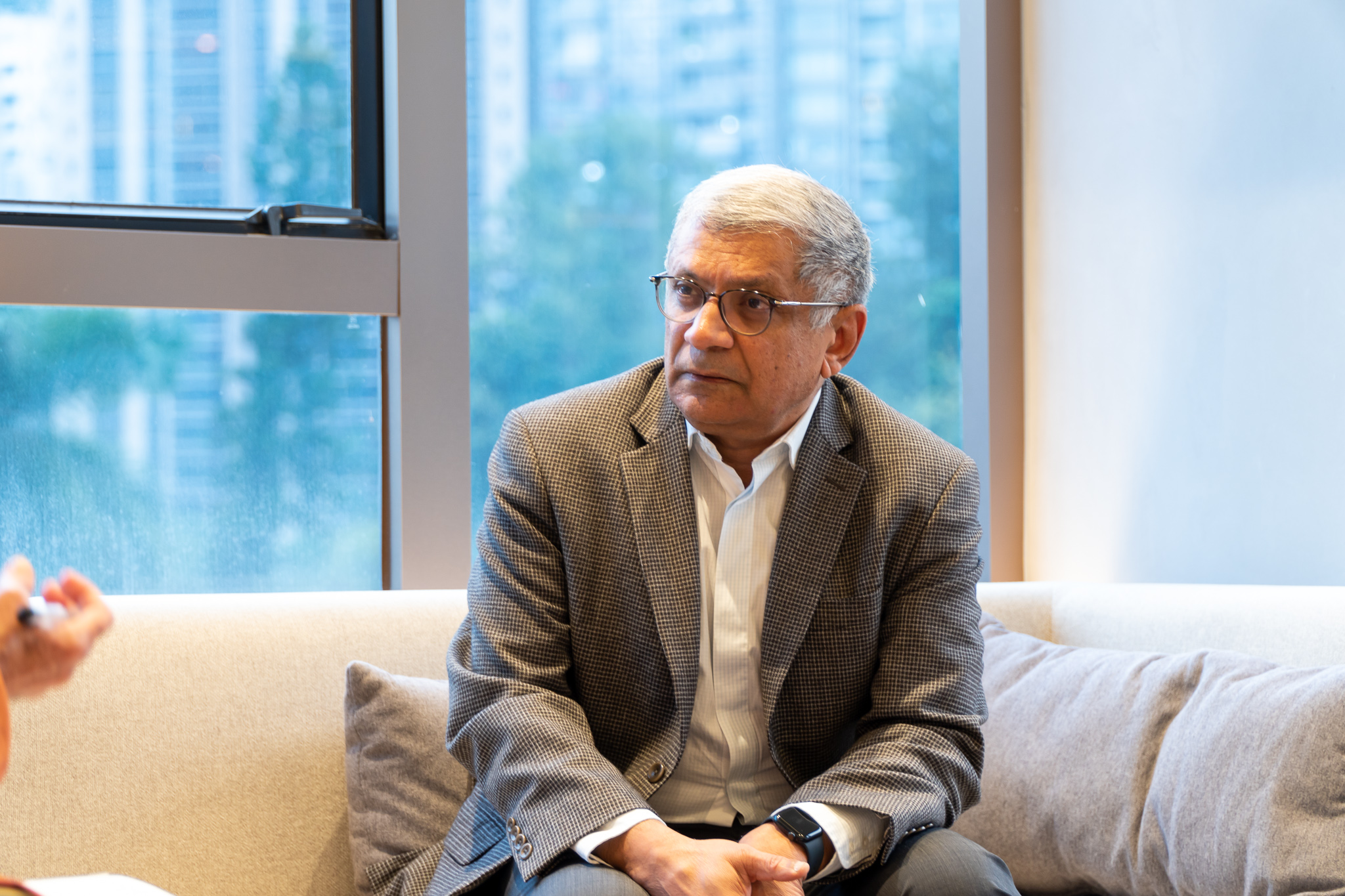
Since 2012, veteran fast moving consumer goods (FMCG) industry executive Mukul Deoras has served in senior roles in Colgate’s Asia-Pacific business, representing 16% of the company’s global market. Here he explains how sustainability is key to Colgate-Palmolive’s business model in an interview with AmCham e-Magazine editor Edith Terry. Mr. Deoras is a current member of the Board of Governors of AmCham HK.
Q. How did it happen that Colgate became the world’s number one toothpaste brand?
A. You must remember that Colgate is not new. You’re talking about a company that was started in 1806 and is now 218 years old and has been in the business of providing oral health solutions to people around the world for many generations. It has established its presence in over 200 countries, making it not just the most used, but the most trusted and most prevalent brand in households globally. Indeed, it is this high regard and trust from consumers that has enabled Colgate to survive and thrive for over two centuries, which have been achieved by only a handful of brands.
For brands to endure this long, they must not only reinvent themselves and update technology for new generations, but also maintain the inherent trust. They should be recognized as good brands, offering good products that people want to use every day.
Q. ESG stands for environmental, social and governance. In an era of high interest rates and volatility in energy prices, realistically how much of a priority can carbon reduction be?
A. We believe ESG, which stands for Environmental, Social, and Governance, is of utmost importance in today’s era with high interest rates and energy price volatility. Among many themes, carbon reduction is a top priority. It plays a vital role in mitigating climate change and preserving the environment for future generations. The cost of not embracing ESG today could be even bigger in the future as issues like climate change make an even stronger dent on the world and the economy.
Additionally, for consumer-facing businesses like Colgate-Palmolive, each aspect holds significant importance. Environmental practices, such as reducing our carbon footprint and reducing waste are crucial in meeting our sustainability goals and attracting environmentally conscious consumers, not to mention the future resilience of our supply chain. Prioritizing social responsibility, including ethical sourcing and fair labor practices, helps build trust, and enhance brand reputation. Moreover, strong governance practices, such as transparency and accountability, are essential for maintaining regulatory compliance, mitigating risks and building stakeholders’ trust.
Q. Not all companies view ESG and sustainability as essential to their businesses. Is this just corporate philanthropy by other names?
A. I wouldn’t call it philanthropy, because as a responsible business it is our duty to minimize our environmental impact and we have to find ways and means of making this happen. For instance, we have to significantly reduce the load of virgin plastic that we use and significantly increase the use of recycled plastic. We should also explore compostable or biodegradable options, even though the technology is not fully developed yet. I’m confident that we will eventually reach this goal soon, which will lessen the burden on waste collection.
Economics will always be a factor, but it should not hinder progress. For example, oil price volatility can impact the cost of virgin plastic. There will be times when we pay more for recycled material. This should be seen as non-negotiable, such as paying wages and salaries. It’s an integral part of doing business and should be incorporated into our business model and cost structure. Subsequently, we need to determine a fair return for our stakeholders, without neglecting our obligations to society.
Our company core values include caring, inclusiveness, and courage, which drive our actions. Our sustainability strategy is also driven by these values, reflecting our commitment to inclusivity and our responsibility towards society. We believe that we owe it to our society, we owe it to the people we work with and work for, and we need to have the courage to stay the course. It’s also important to know that we have a very simple purpose for the Colgate brand. We believe everyone deserves a future to smile about. It is our responsibility because we are the brand who cares for people’s smiles. It’s just who we are.
Q. Can you talk about Colgate’s 2025 Sustainability and Social Impact Strategy?
A. Colgate-Palmolive’s 2025 Sustainability and Social Impact Strategy is centered around three main ambitions: Driving social impact, Helping Millions of Homes and Preserving our environment. We have set 11 ambitious actions and 50+ key performance indicators (KPIs) under these ambitions to measure our progress towards these goals. Some of the KPIs we measure and report on publicly are energy efficiency, renewable energy, zero waste facilities, eliminating plastic waste, water stewardship, and Net Zero in the short to medium term.
We focus on leading with our Bright Smiles, Bright Futures program – we have reached 1.6 billion kids to date, we are committed to making all of our packaging recyclable by 2025 and an important step is implementing our first recognized recyclable tube, and finally we are making good progress towards 100% renewable electricity by 2030 — we are at 52% as of now.
While we have achieved significant progress, there is still room for improvement in certain areas, such as achieving reduction in emissions in the extended supply chain and renewable electricity. Also, sometimes we face challenges in balancing our ESG goals while managing costs and risks associated with it and it takes a lot of effort to navigate the complexities of global regulations and standards related to sustainability.
Q. You have said that Asia is responsible for 60% of the world’s mismanaged plastic. How is Colgate addressing this challenge?
A. Yes, Asia is the region with highest plastic production to cater to the global demand but it is also the region with the highest mismanaged plastics. This issue requires urgent attention and collaboration between major stakeholders including businesses, government, non-government and society to tackle this issue. At Colgate, we are partnering with local NGOs to manage plastic waste in the region.
One such partnership is with Plastic for Change, which is implementing Fair Trade principles in the plastic waste value chain to provide dignified livelihoods for waste collectors. We then are utilizing recycled content obtained from this channel into our product packaging. There are many such good ideas from startups that are coming to the marketplace which need our help in scaling up. We are addressing through our 100+ Accelerator program which is a joint partnership with AbinBev, Coke, Colgate and Unilever.
Q. Where do you do your manufacturing in APAC?
A. Colgate’s manufacturing strategy is varied, based on the specific requirements of each country. Major manufacturing units are in China, Vietnam, Thailand, and India, which serve as the primary production hubs in the APAC region. The production of certain components, such as tubes, is outsourced in some countries, while in others it is handled internally. However, the production of toothpaste and most other products is largely carried out in-house. Contract manufacturing is seldom used. We believe it is important to keep our quality under control, and obviously keep confidentiality of our products and formulas, so we place a lot of importance in our in-house production.
Q. Can you talk about some of the new technology you are using to reduce plastic waste?
A. Colgate has recently launched the first of its kind recyclable tube, which is a groundbreaking technology. Unlike multi-layered laminates, this is made from a multiple HDPE layer structure that does not pose any challenges in recycling. We are gradually converting all our toothpaste tubes to the same structure. In the past, a multi-layered structure was used to protect the product from spoilage. The technology was not advanced enough to create single material plastic, but now we have accomplished that. With advances in materials science and even our own processing technology and product chemistry, our products can withstand more environmental shocks. Essentially, product technology, packaging technology, and manufacturing technology continue to evolve to provide solutions for the world.
Furthermore, I want to highlight that our tube technology is accessible to everyone in the industry. This is essential because if only our tubes are recyclable and others aren’t, recyclers won’t bother to sort them and our vision won’t be fulfilled. We want the entire oral care industry to shift towards supporting a circular economy. While it may take time, we will ultimately achieve this goal.
Q. What about toothbrushes?
A. Toothbrushes are typically made of plastic, which can be challenging to recycle if not handled carefully. They often don’t get collected or recycled. Our strategy is twofold. Firstly, we aim to minimize the use of virgin plastic and maximize the use of recycled materials into brushes.
Secondly, we strive to reduce overall plastic, which is where replaceable heads come into play. We offer a toothbrush with a metal handle that can last really long. Users only need to replace the brush head, which contains significantly less plastic than the handle. So your total plastic consumption keeps going down all the time. These brushes are being rolled out in all the markets in a phased manner very soon.
However, persuading people to switch to this approach is challenging, but it is a critical aspect of our marketing strategy that we are committed to continue promoting.
Q. How do you collect used plastic for recycling?
A. The weakest link in the recycling chain is collection. High-quality products and good recycling facilities mean nothing without an effective and efficient collection system. Collection is a very labor intensive process and, In most parts of APAC, is handled by the unorganized sector, often involving low-income workers who are just one step away from sustaining themselves. Therefore, in many countries, NGOs are working with these small waste collectors, ensuring fair labor practices and creating an organized market for them by networking with aggregators and recycling plants and delivering a more beneficial return.
Fair return on collection is extremely important to the success of these value chains to make them self-sustaining and this is what NGOs aim to do. However, when it comes to plastics, the challenge is significant. This is where the government intervenes, with attempts being made to infuse more capital through Extended Producer Responsibility (EPR) legislation around the world. As per these EPR regulations, we are legally obligated to collect a certain amount of plastic that we’ve introduced into the environment. We are working with these NGOs and similar agencies in many countries (some countries have EPRs and some don’t have them yet) to collect plastic waste.
We must cooperate with NGOs and aggregators to ensure this collection by incentivizing this process. This approach also ensures fair wages and value for waste collectors, creating a win-win situation. We fulfill our social responsibility, meet our legal obligations, and waste collectors will receive better returns for their efforts. This positive relationship should be encouraged more globally.
Q. Can you talk a little about your life in Hong Kong, how you view it as a place to live and what you do in your free time?
A. I have been living in Hong Kong for the past five years, and I absolutely love it. The city offers a unique blend of modernity and tradition, with its stunning skyline, bustling markets, rich cultural heritage and numerous recreational activities.
In my free time, I enjoy exploring the city’s hidden gems, such as hiking trails in the surrounding mountains, visiting art galleries and museums, and indulging in local street food. I also make sure to take advantage of Hong Kong’s beautiful beaches and islands, where I can relax and unwind. Overall, Hong Kong has provided me with a fulfilling and exciting lifestyle. Its fast-paced nature, coupled with its unique blend of East and West, makes it an incredible place to live.
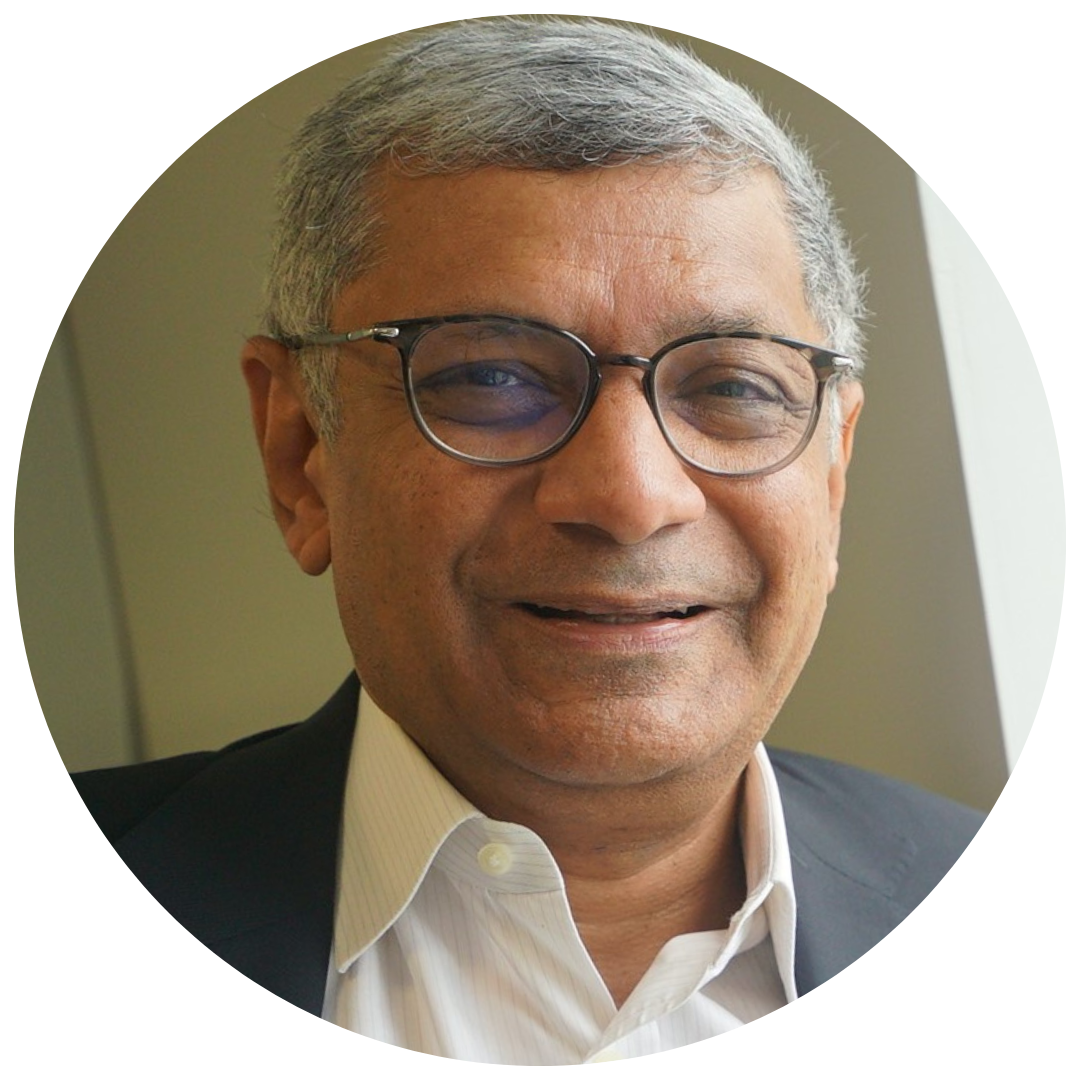
Mukul Deoras is the president of the Asia Pacific Division of Colgate-Palmolive and has served as Chief Marketing Officer of the company since August 2015. He has also been president of the Asia Division, chairman of Colgate-Palmolive (India) Ltd, and led Colgate-Palmolive’s Thailand business. Prior to joining Colgate-Palmolive, he held increasingly senior positions with Hindustan Unilever Limited between 1984 and 2004. He has been a member of the Board of Directors of Wyndham Hotels and Resorts Inc since 2018, and is a member of the Board of Governors of AmCham HK. He holds a postgraduate degree in management from the Indian Institute of Management.