
In the 1939 American film classic The Wizard of Oz, the actress Judy Garland as Dorothy follows a winding, treacherous yellow brick road to an Emerald City that rises like a great green jewel above the horizon. Hong Kong’s own Dorothy, Betty Fung, is a down-to-earth civil servant turned arts administrator. And this Emerald City is real, not a fantasy, and it’s taking shape before our eyes.
As CEO of the West Kowloon Cultural District Authority, Fung has led the district through some of the most difficult years in its turbulent history. AmCham HK e-Magazine sits down with Fung as we get close to the end of WestK’s yellow brick road.
Hong Kong’s Central Park
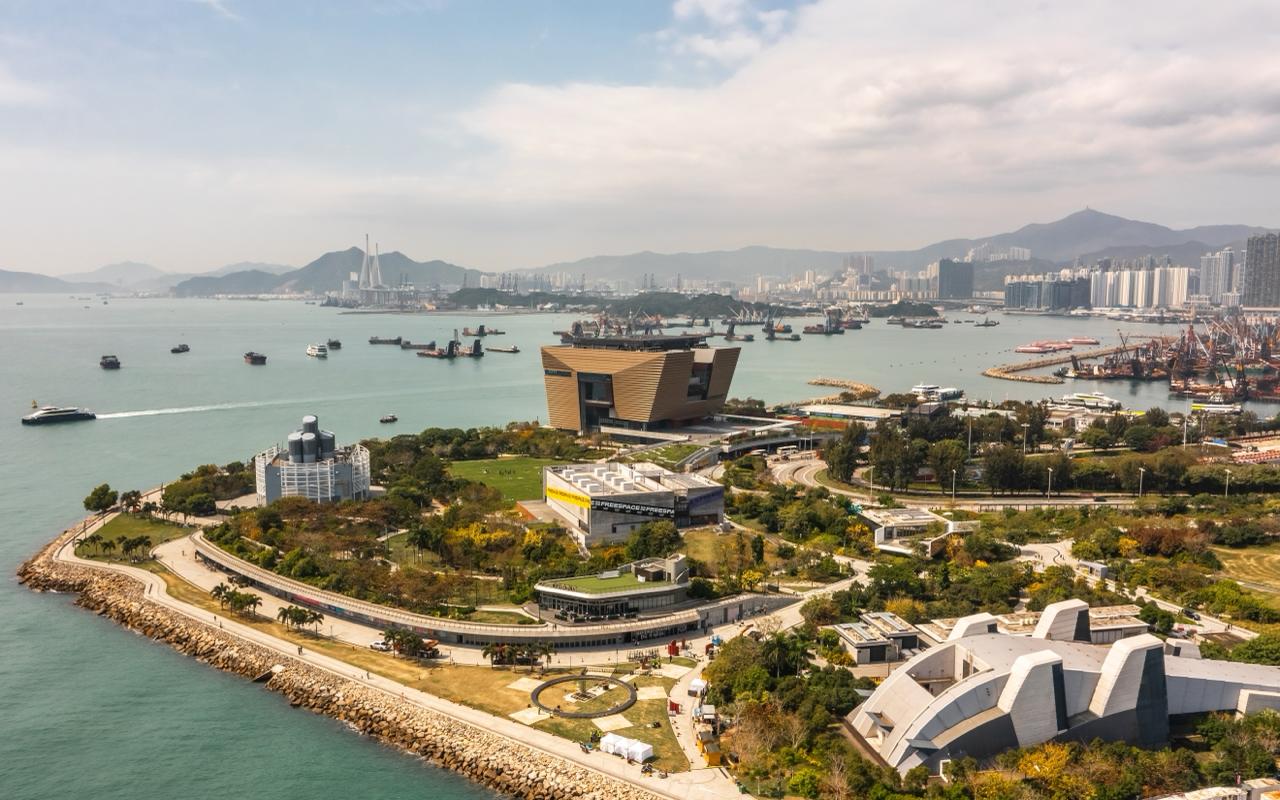
In a city with few large public parks, the West Kowloon Cultural District (WestK) has been visibly embraced by the Hong Kong public. It is less than one-eighth the size of New York’s Central Park, but it has much the same vibe, as a place for highbrow art connoisseurs as well as family outings, set on a waterfront with sweeping views of Hong Kong Island’s skyscrapers and emerald-green heights of Victoria Peak. It is made for the masses as well as for high-intensity glamor, and that may be the secret of its success.
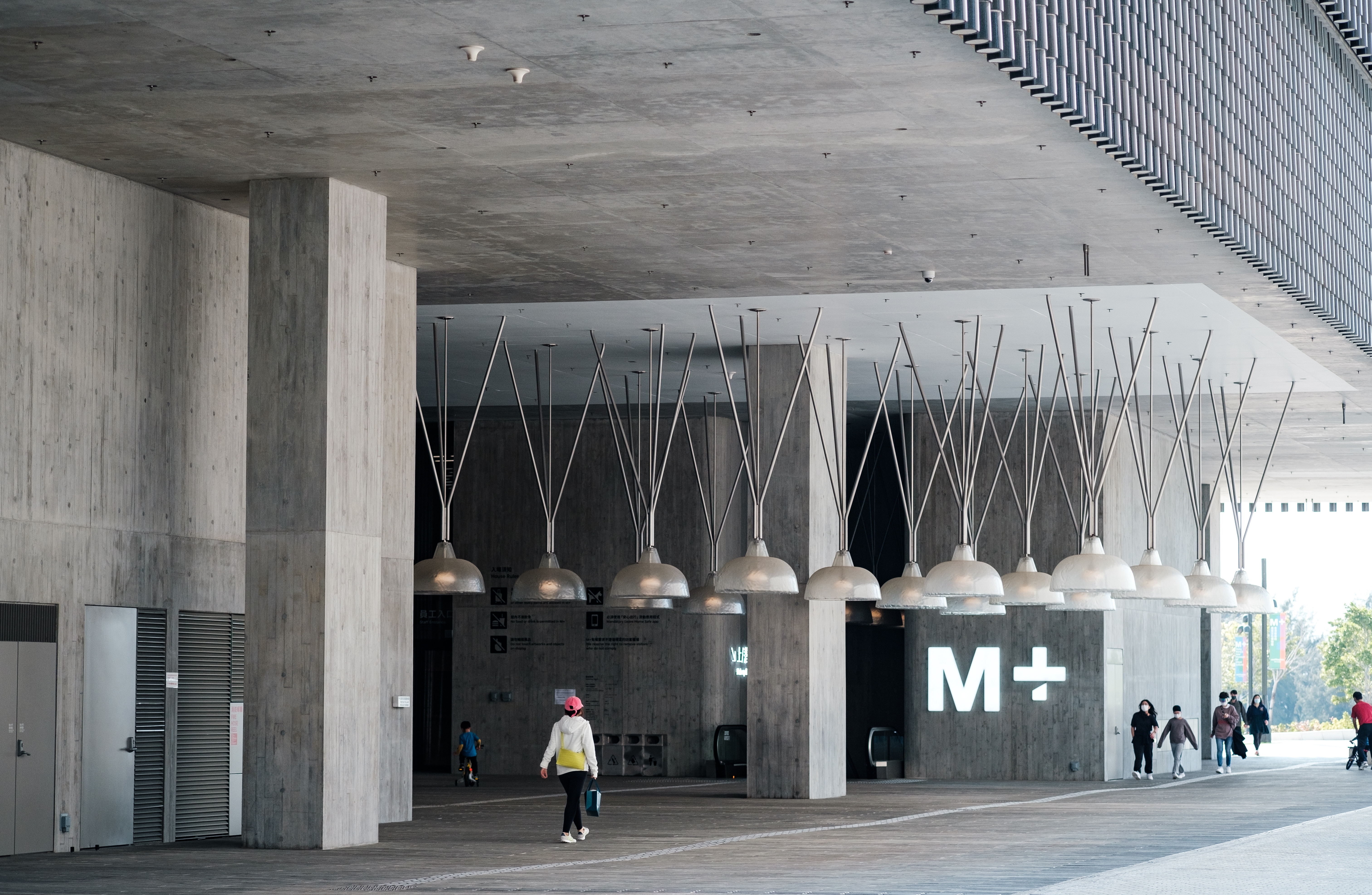
Over at the M+, Asia’s global museum of contemporary visual culture, “Robert Rauschenberg and Asia” explores the mid-20th century artist’s fascination with Asia, while the permanent Sigg collection has become the raison d’être of an emerging relationship with the 100-year-old Museum of Modern Art (MOMA) in New York.
M+ has no rival anywhere to its collection of contemporary Chinese art, thanks to the generosity of collector Uli Sigg. In an interview, WKCDA’s CEO Betty Fung says, “They treat us on a par with them.” Someday, part of the M+ collection may even go on display in New York, deepening the connection.
The Egyptian show currently running at the Hong Kong Palace Museum, “Ancient Egypt Unveiled: Treasures from Egyptian Museums,” which is Hong Kong’s first major showcase of treasures sourced directly from Egyptian museums, is just one example of the types of collaboration that WestK has been able to organize, under Fung’s leadership.
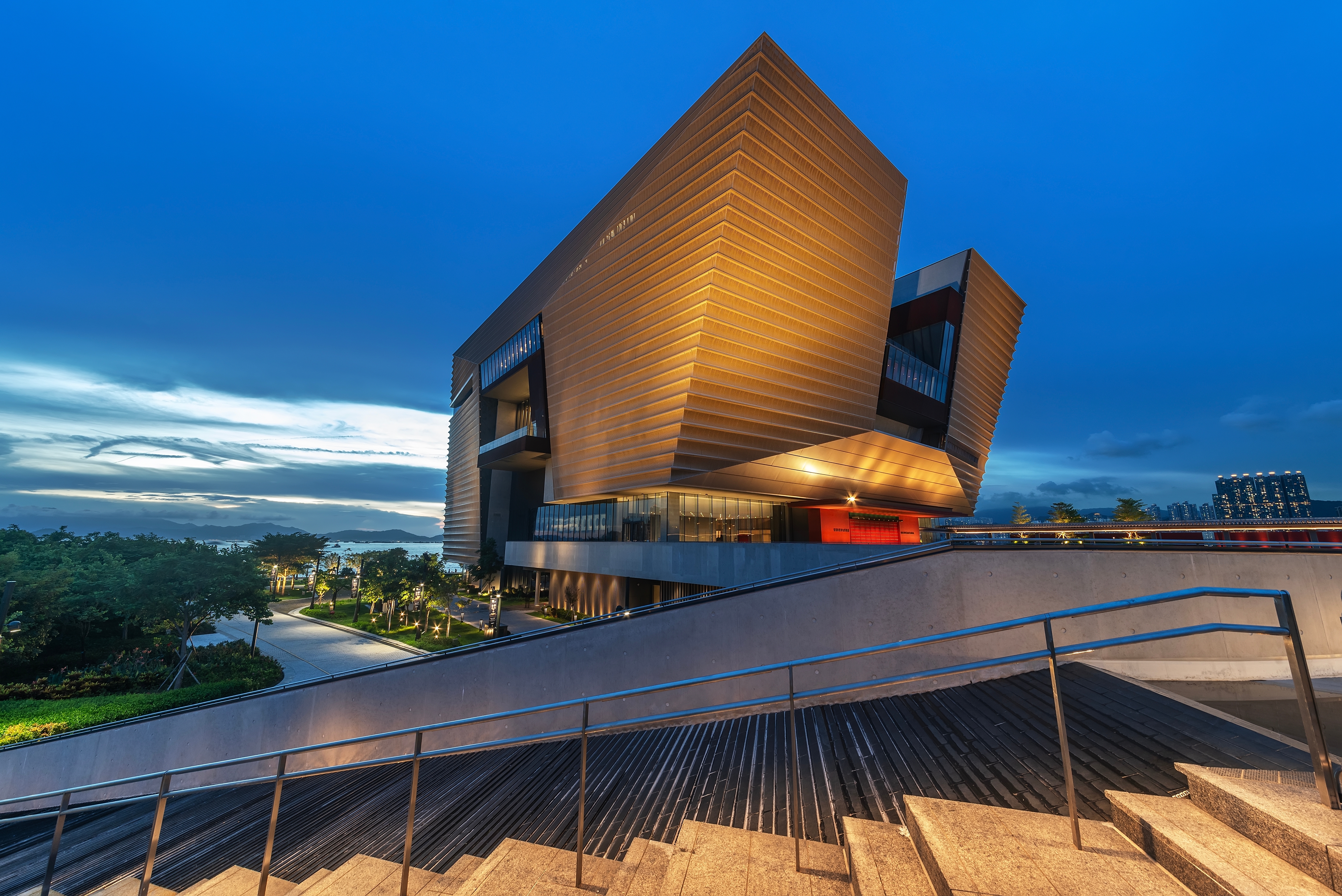
The outcome has been better than anyone could have dreamed, with over 280,000 visitors over the first three months, against a projection of 700,000 for the nine months of its run. Opening day chaos was a learning experience, however, and they have now cut down on the number of walk-in tickets, and segregated ticketing into morning and afternoon sessions with quotas to avoid the peak period between 2:00 and 4:00 pm.
Meanwhile, WestK’s own exhibitions have traveled abroad, cementing its reputation for curatorial sophistication and storytelling. The Yayoi Kusama exhibition, “Yayoi Kusama: 1945 to Now” at M+ traveled to the Guggenheim in Bilbao and then the Serralves Museum in Porto, setting records for attendance. Including visitors to M+ when the exhibition launched in Hong Kong from November 2022 to May 2023, Fung thinks it may have been “the most attended exhibition curated by Hong Kong museums overseas,” with 1.6 million visitors globally.
How to build an arts ecosystem
Fung came to the job with broad experience across Hong Kong government including as Director of the Leisure and Cultural Services Department, from 2009 to 2014 and Permanent Secretary for Home Affairs from 2014 to 2018. She positions WestK as a vital link in Hong Kong’s emerging creative industry, with a supply chain that has both strengths and weaknesses.
“We have a strong mid-stream in the arts trading sector,” Fung said. “We are the third largest art trading center in the world, after New York and London. But if I look at London and New York, there are many things they have that Hong Kong does not. We have Art Basel Hong Kong and Art Central every March, and people come here for these exhibitions, whether they are collectors or for investment or the galleries. But to be able to be on a par with New York and London, you need a lot more. You need the upstream and downstream.”
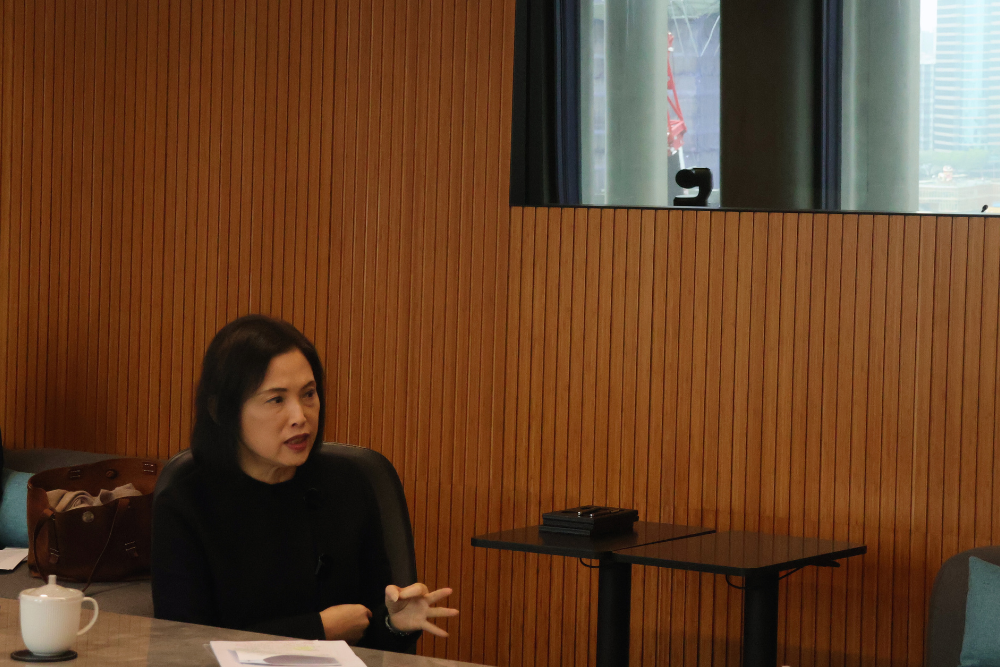
“An industry supply chain must start from somewhere, so we have art trading,” she said. “But on the upstream side, our local artists really do not have a good platform to promote their work. If you go to Art Basel Hong Kong or Art Central, 90% of the work sold there is not by Hong Kong artists. The platform is too big for them, and they need more platforms to show off their talent.”
To strengthen the supply part of the ecosystem, she wants to introduce an artist-in-residence program, so that local artists can work closely and learn from their international counterparts, and to hold more exhibitions of emerging Hong Kong artists at venues around the city and in mainland China.
Fung also wants to build what she calls the “demand” side of the upstream, through education in contemporary art. “If you look at the Chinese mainland, many people collect contemporary art, but there are not many local collectors collecting contemporary art in Hong Kong,” she said. “So, we must grow these appetites. How do we do that? You don’t become a collector overnight. You become a collector when you start to appreciate art.”
Part of the solution is through WestK’s relatively inexpensive annual membership program, HK$600 for adults and HK$300 for students and seniors. The Hong Kong Palace Museum recently took a roadshow to Guangdong to build a membership base there, using the Egyptian exhibition as a draw. Both museums offer talks, films, and exclusive events for members and patrons. The more people come, the more they learn about art appreciation, she says. And ultimately, they become collectors.
The mid-stream, the auction and trading business, are the strongest parts of the ecosystem, Fung said. Here, too, there are weaknesses in the lack of training for auctions, valuation, authentication, collection management and specialists in art insurance and art finance. “There are bits and pieces in Hong Kong, but not really forming a major supply chain yet,” she said.
The third part of the equation, the downstream, has potential in part because collectors in mainland China tend to leave their Hong Kong purchases in place, to avoid high import duties. That creates opportunities for storage and conservation.
M+ is the only museum in Hong Kong that has its own standalone conservation and storage facility for its 9,000 works of art, some of them huge. The near-windowless M+ storage and conservation block, adjacent to the building which houses the Hong Kong headquarters of Phillips Auctioneers and WestK offices, allows passersby to view conservation work at a single, ground level rectangular window.
For restoration, the museum has no choice but to recruit specialists from Europe and North America, because of the lack of locally trained conservators. There are no courses in art conservation at universities in Hong Kong, Fung noted. M+ and the Hong Kong Palace Museum are training conservators in their conservation labs, a process that will fill another gap in the art industrial supply chain, eventually.
“Standing on one leg”
Fung’s tenure as CEO began in October 2021, during the Covid-19 pandemic and at a time when the initial endowment of HK$21.6 billion in 2008 was beginning to run low. The final development plan for WestK was approved by the authorities only in 2013.
Cost projections developed in 2008 were far too low. Construction costs have risen by 4.9% annually since the 2000s, against the initial projection of 2%. Interest income from the initial endowment was about half the projected 6.1% yearly returns. In the 2021-22 fiscal year, due to frequent closure of venues during the pandemic , operating income dropped by 60% comparing to budget, from HK$240 million to HK$100 million, excluding investment income of HK$320 million.
The underlying operating deficit in 2021-22 has increased from HK$490 million to HK$772 million due to WestK’s transition from the construction stage to the operating stage. Fung was quoted saying, “This is like standing on one leg,” and seeing “only bones, but no flesh” when she started the job. Where Dorothy had winged monkeys attacking her in The Wizard of Oz, Fung had the skeptics in the legislature, media and the local community questioning the value of WestK.
Despite launching several new initiatives to fulfil its public mission and investing in commercialisation projects, WestK’s operating deficit has remained stable in recent years because of the satisfactory operational performance and strict operating expenses management. As the arts, commercial and residential complex finally takes shape, it is likely to surprise on the upside. WestK may even set new standards for funding the arts other than by governments, the European model, or tax incentives, the U.S. model.
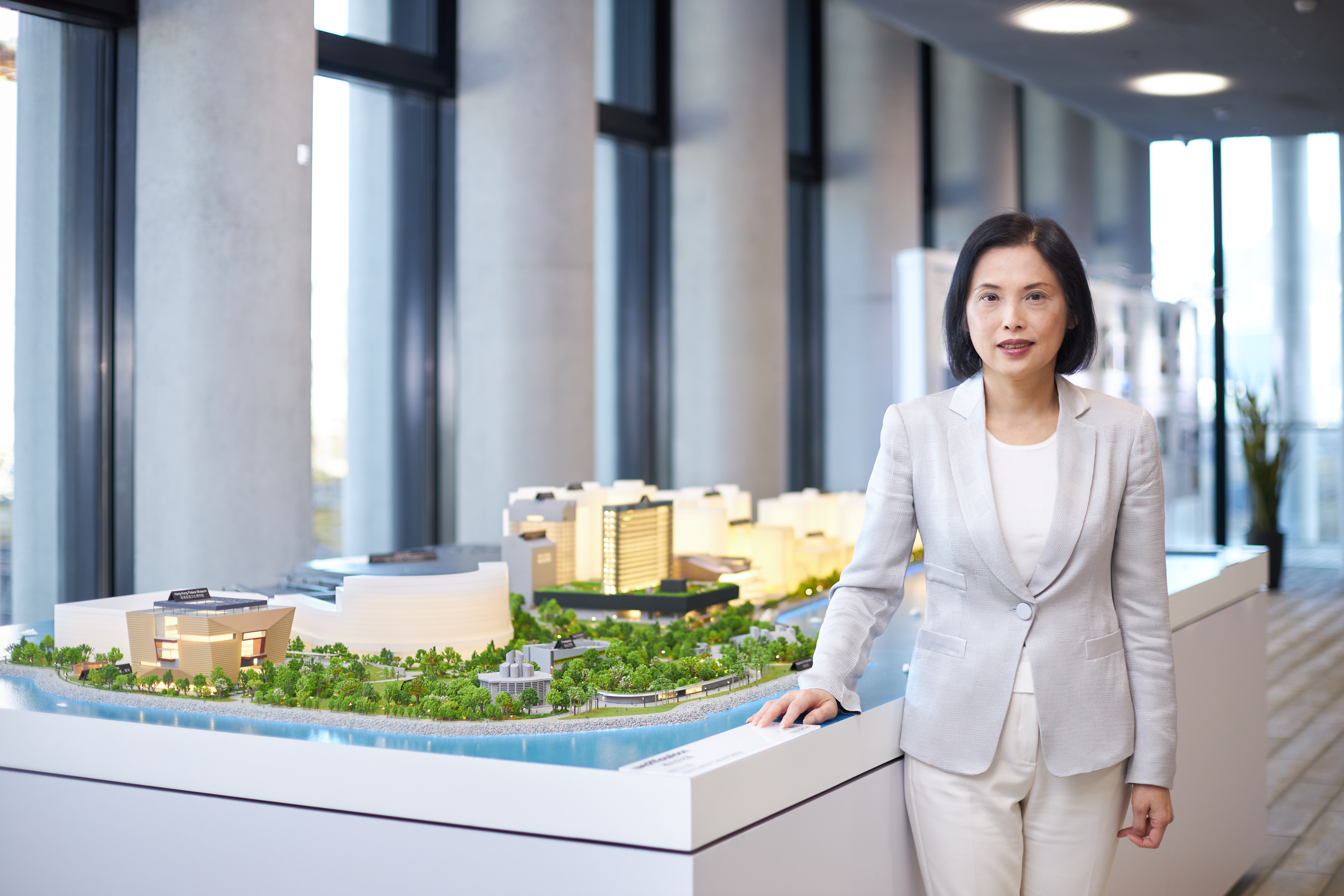
WestK’s core asset is land and development rights, which were intended to fund its arts and culture infrastructure, along with the initial government endowment. Out of WestK’s 40 hectares, 23 hectares is public open space, with a two-kilometer waterfront promenade. A portion of the remaining 17 hectares, parts of which are now under construction, eventually will support the arts and cultural facilities through the cash flow from commercial and residential buildings.
In terms of gross floor area, among the 851,400 square meters in total, 40% is devoted to arts and cultural facilities, 23% for hotel and office space, 20% for residential development and 16% for retail, dining and entertainment facilities. Along with revenue from the venues, rental income was expected to cover costs along with interest and investment income from the endowment.
The real estate market failed to cooperate, however. Interest rates began to soar after the U.S. Fed ended its low-interest ‘quantitative easing’ policy in March 2022, another winged-monkey obstacle. Developers shied away from the proposition, which unlike MTR developments, was based on a build-operate-transfer model. Now they are coming back, with the relaxation of a ban against sales and higher interest rates.
The first commercial towers are rising quickly behind the waterfront arts buildings. The 65,000 sq.m. Artist Square Towers developed by Sun Hung Kai Properties are due to open in 2027 and tendering will be ready for residential buildings this year.
WestK’s funding issues are not over, but at least they are no longer seemingly insoluble. Fung continues to struggle with a deficit of HK$ 769 million in the 2024-25 fiscal year, on income of HK$871 million. She has won two new loan facilities since 2024, a HK$5 billion refinancing of a 2022 sustainability linked loan, and a HK$ 3 billion, 10-year facility with Industrial and Commercial Bank of China (Asia) in February. A new Medium Term Note program will let WestK issue bonds in multiple tranches, up to a ceiling of USD 1 billion.
To be fair, based on a recent comparison of cost recovery rates of major global museums in 2023-24, WestK’s overall cost recovery ratio of 37% was close to the 38% of the Metropolitan Museum of Art, at 38%, and Centre Pompidou in Paris, with 36%. MOMA ranks at the top, with a cost recovery rate of 56%, followed by the Tate Gallery at 40%. And if only the two museums in WestK are singled out, their cost recovery rate in 2024-25 was 44%.
The winding yellow brick road to WestK (cue the winged monkeys)
For nearly two decades, hoardings labelled “West Kowloon Cultural District” faced Victoria Harbour ship traffic, sealing off an unkempt 40 hectares of reclaimed land west of the old commercial and industrial center of Yau Ma Tei. For most of that time, the signage was pure irony. As one controversy after another roiled its future, during that time, it seemed like planned arts and culture district would never be more than weeds and mudflats.
WestK began life as the tip of an enlarged Kowloon peninsula. In 1996, land reclamation added a total of 334 hectares to make way for the Airport Express rail line linking the new Chep Lap Kok International Airport and Central. In 1999, former Hong Kong Chief Executive Tung Chee-hwa declared in his Policy Address to the Legislative Council that part of the otherwise barren waste land would become a “major performance venue,” and two years later, launched an international competition for its design.
That was only the beginning of the yellow brick road that led, after 30 years, to the present, where two world-class museums, two performing arts venues and a performing arts center nearing completion anchor Hong Kong’s answer to Central Park in Manhattan, with its Metropolitan Museum of Art, American Museum of Natural History and the nearby MOMA.
In 2011, nearly a decade later, Foster + Partners won the second design competition, this time for the site design but not individual buildings. The domed Xiqu Center, designed as a venue for Chinese opera by the late Canadian-Chinese architect Bing Thom, was the first to open in 2019.
Renowned Swiss architects Herzog & de Meuron won the contest for design of M+ in 2013, and Hong Kong architect Rocco Yim was commissioned to design the Hong Kong Palace Museum in 2016. M+ and the Hong Kong Palace Museum opened in 2021 and 2022, respectively. The latest building nearing completion is the WestK Performing Arts Centre, from architects UNStudio and ADRG, opening next year.
What’s next?
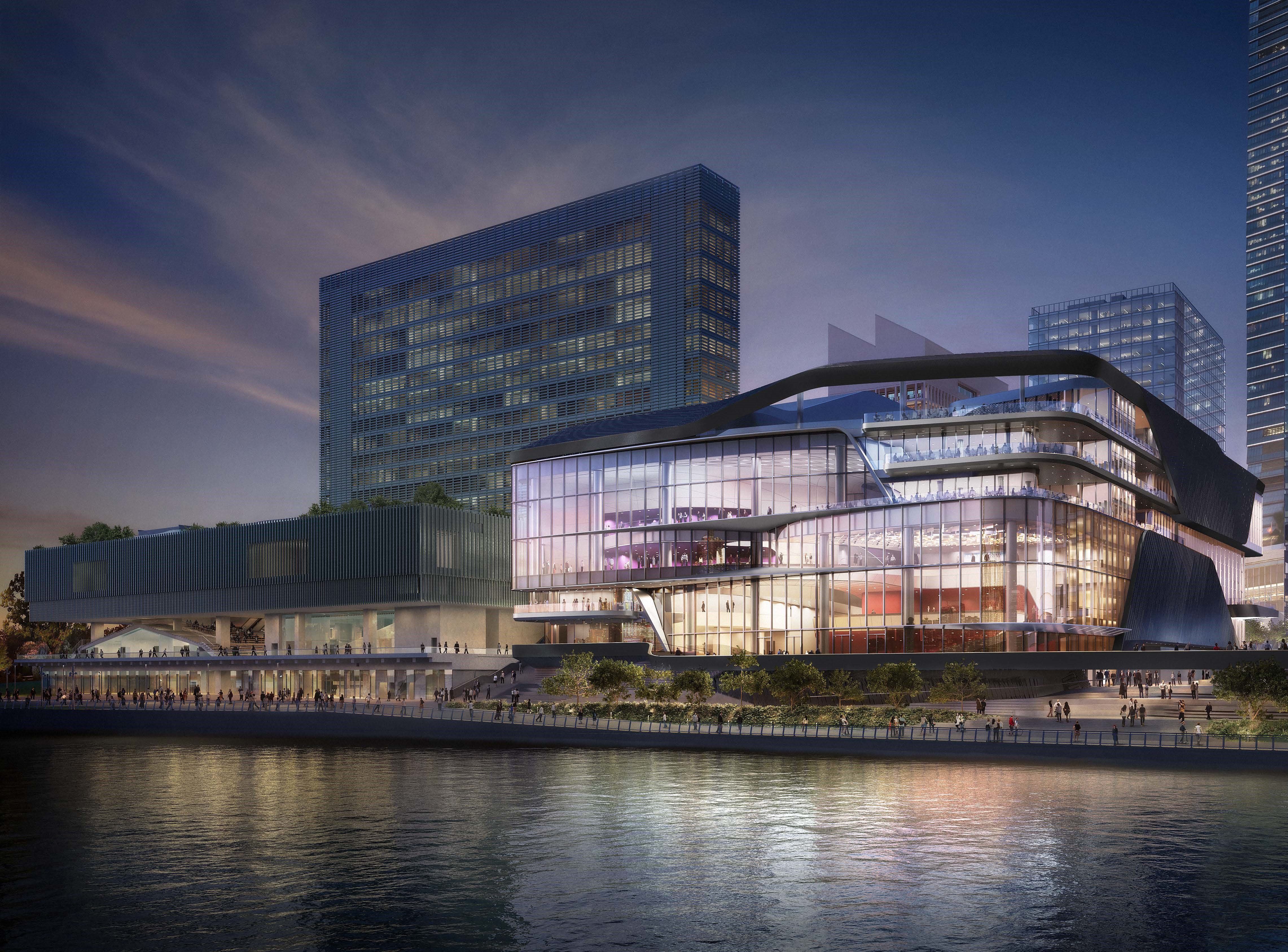
The view from WestK’s office is still mostly a construction site, looking northeast towards the Xiqu Center. From the office window the Artist Square Towers take up the foreground, with the integrated basement and 1.5 km underground road half completed and looking anything but user-friendly. The WestK Performing Arts Centre is nearing completion and will have a resident company center as well as a 1,450-seat Grand Theater, 600-seat Medium Theater, and a 270-seat Studio Theater, with eight dance and rehearsal studios plus a large rehearsal hall, retail and dining. It has evolved from a dance focus to include musical theater, including visiting musicals from Broadway or the West End in London.
That leaves ‘Batch 3,’ along the waterfront adjacent to M+ and the WestK Performing Arts Centre. And there is no money left. Batch 3 includes a Music Center, Great Theater and Musical Theater. The last “was never going to be funded by WestK,” said Fung.
The Music Center is a priority project, however, because the concert halls at the Hong Kong Cultural Center, opened in 1989, are acoustically weak and have a windowless design that fails to take advantage of its harborfront location.
“If there is a billionaire who is really a fan of classical music, and he or she is willing to sponsor the construction cost, I will find money to pay for the operating costs,” she said. “Right now, I don’t have the money to build, and it’s challenging to build a good concert hall. But if the capex is there, we can start work right away.” A working group under the Performing Arts Division of WKCDA is looking at different configurations for the Music Center, and Fung has also been around the world looking at different models.
Fung thinks it’s not such a bad idea to put off development of the remaining sites in Batch 3. “What I will tell the public is that the land is there. You can treat it as a land bank for future arts and cultural development. It won’t be changed to any other use or become hotels or offices or residential buildings.”
“If you build everything in one go, it’s going to be a disaster. Ten years down the road, the type of arts and culture will be very different from what we have today. You can build many theaters and find that nobody wants to go to them, because they want an immersive experience, something new.”
CEO Fung may not think of herself as Dorothy, but if there were winged monkeys and a wicked witch standing in her way, she has won them over. The yellow brick road ends in an extraordinary new arts district that has literally risen from Victoria Harbor. And Fung has taken us there.
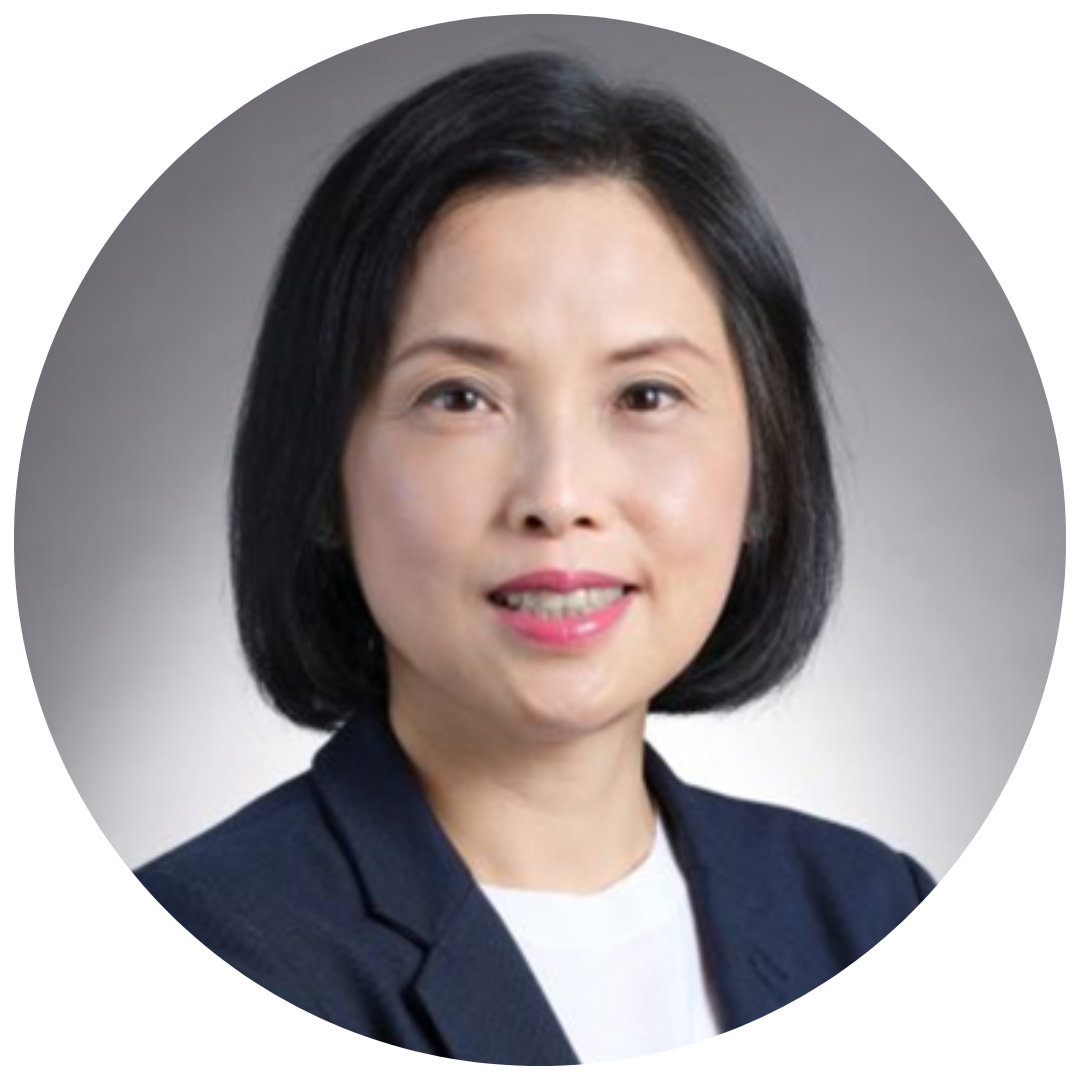
Betty Fung was appointed as CEO of the West Kowloon Cultural District Authority in October 2021 after 35 years in Hong Kong’s Administrative Service. She served as Director of Information Services from 2007 to 2009, Director of Leisure and Cultural Services from 2009 to 2014, Permanent Secretary for Home Affairs from 2014 to 2018, and Head of the Policy Innovation and Coordination Office from 2018 to 2020 before her secondment to WKCDA as Acting CEO. She has been awarded a Gold Bauhinia Star by the Hong Kong SAR government and Chevalier de l’Ordre National du Mérite by the French Government.