
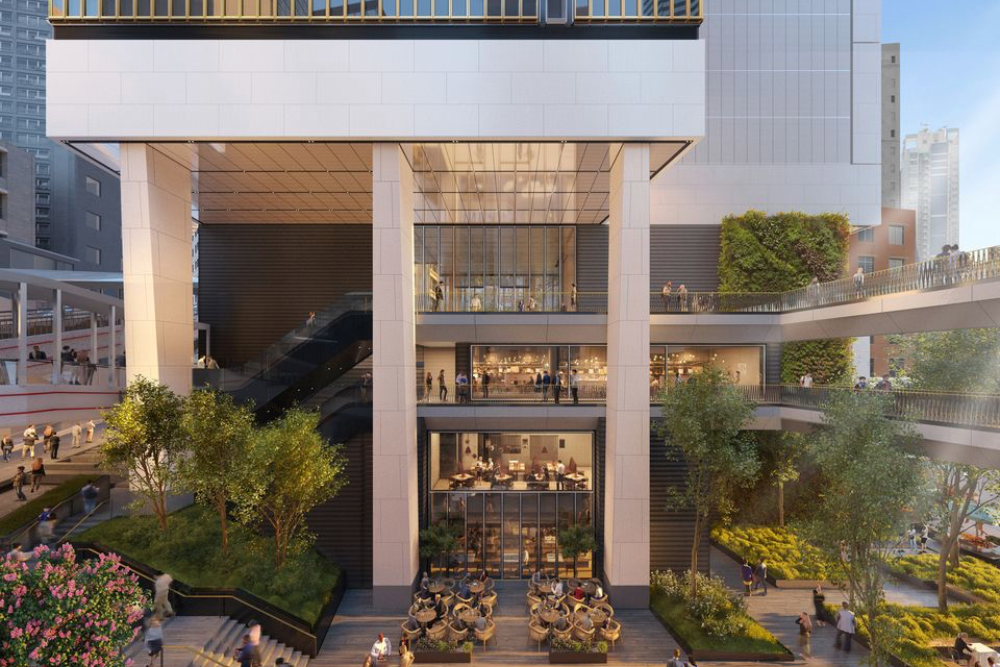
Rendering of Central Crossing. Photo courtesy of Central Crossing
As recently as last November, Bloomberg was comparing debt levels in the Hong Kong property market to the Asian Financial Crisis of 1997-98. That was then. By early January, in between major transactions and a continuing run of IPOs boosting demand for high-quality office space, the mood shift was palpable, and the turnaround has come so quickly that bargains may soon be hard to find. AmCham HK e-Magazine turns to JLL’s Alex Barnes, co-CEO of Greater China and managing director for JLL Hong Kong, Taiwan and Macau to find out why.
Property has long been a pillar of the Hong Kong economy, and when property values sink, so does confidence. For six long years, Hong Kong property has been in a slump as steep as that seen during the SARS (severe acute respiratory syndrome) epidemic in 2003.
Now a combination of factors is lighting up the market, from Hong Kong’s emergence as a hub for ultra-high net worth (UHNW) individuals second only to New York, to a massively successful government talent scheme that attracted over 230,000 people through the end of August 2025, according to government sources, putting pressure on residential real estate both at the high end and for a rapidly growing student population. A run of initial public offerings (IPOs) netted $37.2 billion in funds for 114 companies, mostly from mainland China, igniting demand for office space. And six spectacular new office towers and one ‘groundscraper’ reflect big bets on the future of the city.
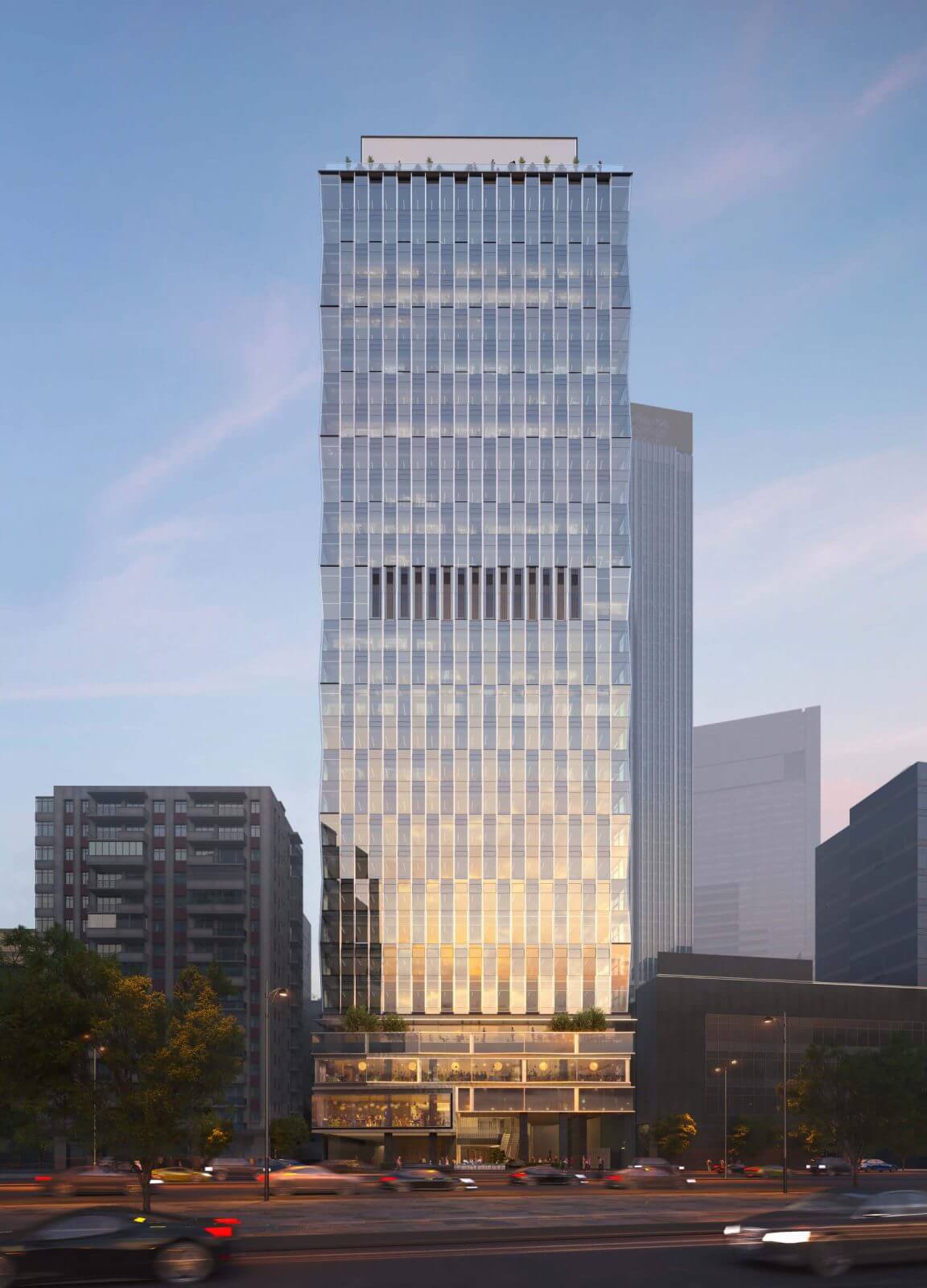
The new high-end office buildings – The Henderson, Central Yards, Central Crossing, the International Gateway Centre, Artist Square Towers, Lee Garden 8 and One Causeway Bay – add a staggering 6.3 million sq ft of office space to core Hong Kong districts, starting with Central and the West Kowloon arts and entertainment district and spilling over to Causeway Bay with Lee Garden Eight and One Causeway Bay.
Long considered fringe in terms of office space, Alibaba Group Holding and Ant Group have locked in 301,550 sq ft and naming rights of One Causeway Bay, the first building in the district designed by Korn Pedersen Fox, architects for the International Commerce Center. Lee Garden Eight, the first mid-town mixed-use building designed by Foster + Partners, at 1.1 million sq ft will have the largest commercial floor plate on Hong Kong Island, with developers Hysan Development company and Chinachem Group.
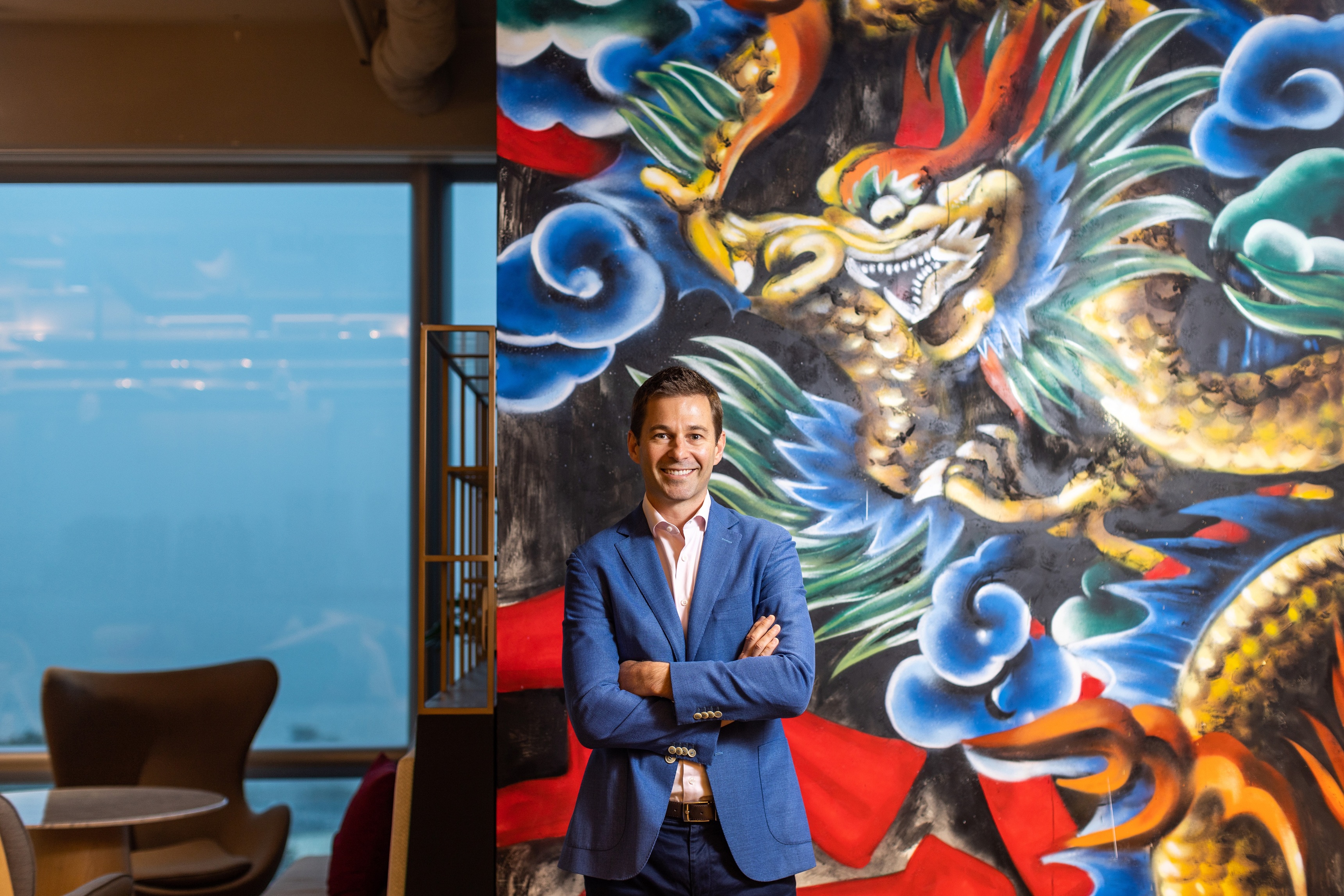
According to Alex Barnes, Co-CEO of Greater China and managing director of JLL Hong Kong, Macau and Taiwan, conversations are bubbling around these buildings and others.
“There’s always an element of foresight and calculated risk when you put a scheme together, Barnes said in an interview.
“But each one of these buildings provides something unique and is part of a global trend of flight to quality. If you look at New York, London, a lot of the brand-new buildings are attracting high-rent-paying, discerning tenants that want to be in the best buildings for their people. Hong Kong now has a number of those buildings coming to market, and there’s been a lot of activity around them and interest from occupiers.”
Hong Kong’s splashy new high-end office buildings
“This is the nature of development. You need strong conviction in a market that you’re going to acquire land, build a building and put it into the rental market five to seven years after acquisition,” said Barnes. “If you look at The Henderson, which was completed a couple of years ago, it’s sitting at around 90% occupancy. It’s been extremely successful and yielded some of the highest rental returns in the whole Central market.”
“At Central Yards, the first phase is already edging up to 70% occupancy, and there are several tenants in conversation for the remaining space. Even phase two, which completes in 2032, is attracting early interest from larger tenants who see it as a compelling proposition for the long term.”
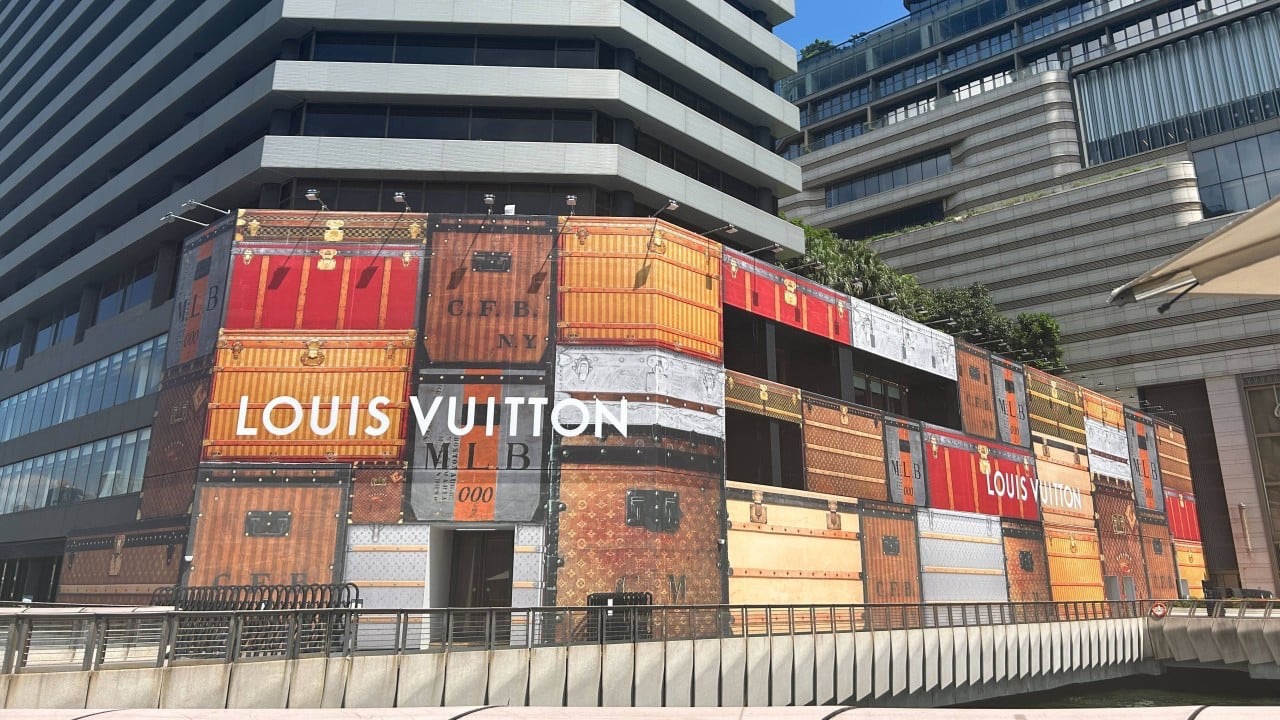
Retail remains a weak point, with JLL predicting High Street shop rents will fall by 0-5% in 2026, and prime shopping malls declining by another 5-10%. But Louis Vuitton’s new three-story, 40,000 sq ft museum plus café and retail space at K11 in Tsim Sha Tsui is opening later this year, reflecting a retail opportunity tracking the UHNW set.
First, the background
When a note from Morgan Stanley in early January upgraded Hong Kong’s property sector to “attractive,” you could almost hear the whooshing sound as potential buyers and tenants, investors and developers rushed to lock in deals.
The US investment bank forecast a 10% increase in Hong Kong residential prices in 2026, although its predictions for the office and retail markets were slightly less optimistic. The note was just the latest sign that property was bouncing back after seven dark years, and with it, large sectors of the Hong Kong economy.
Commercial real estate services firm Cushman & Wakefield, as well as JLL, and banks including Citi, Bank of America and UBS have joined the chorus with rising degrees of optimism. At the very least, a consensus view has emerged that the property market has reached its bottom. The fundamentals are strong enough that most observers predict an outbreak of market enthusiasm for the sector.
The property sector is a leading indicator for the Hong Kong economy, so real estate demand is likely to translate into a stronger economy. Together, the real estate and construction industries represent at least 20% of Hong Kong’s Gross Domestic Product, and figure much larger in terms of public sentiment, since so much of household wealth is based on property.
The news has been anything but good in recent years. The International Bank of Settlements’ residential property price index for Hong Kong, a reliable benchmark of the city’s economic health, last peaked in September 2018, and by September 2025 was down by more than 34%. As recently as November 2025, Bloomberg reported that distressed loans in the property sector were at a level comparable to the Asian financial crisis, with the Hong Kong Monetary Authority stepping in to urge banks to extend credit lines to smaller developers. All the more surprising, then, has been the sudden and dramatic shift in the consensus view.
Where do we go from here?
An Australian native, Barnes has been following Hong Kong’s commercial real estate market for over 20 years, all with Jones Lang Lasalle, usually known by its initials JLL. Based in Chicago, Illinois, JLL is a global professional services firm specializing in real estate and investment management and has operated in Hong Kong for over 50 years.
Against the backdrop of the last few years of profound market downturn, Barnes said major markets for residential and office leasing, are in recovery or “upper trajectory” mode.
Indicators include the largest Grade A office leasing transaction on record and the third largest in the past 10 years. These were Jane Street’s commitment to 223,300 sq ft as an anchor tenant at Henderson Land’s Central Yards development on the Central waterfront, and Qube Research & Technologies’ lease of six floors with 146,000 sq ft at Two IFC from the MTR Corporation. JLL is understood to have advised both deals.
Driving these two giant transactions and many others is another turnaround that began last year, as mainland Chinese companies flooded into the Hong Kong market with encouragement from Beijing. In 2025, Hong Kong Exchanges & Clearing (HKEX) beat out Nasdaq as a fundraising platform for the first time since 2018, and the pipeline of companies waiting to go to market for primary or secondary listings shows no sign of letting up. Expectations of further interest cuts and the dominance of Hong Kong as the international gateway for listed Chinese firms make it likely that the initial public offering (IPO) avalanche will continue in 2026.
“Central is seeing a lot of activity at the very top end of the market, and that’s filtering into other office buildings in Central with a strong lean towards high-value assets,” Barnes said.
“The firms that are growing in Hong Kong have strong business and financial performance and are therefore able to put their people in the best quality real estate in Asia.” These are not just companies that are raising capital and trading markets, but also the law firms, accountancy firms, banks and wealth management firms that benefit from the IPO market and growth of wealth management, Barnes noted.
By 2029, Hong Kong is on track to outpace Switzerland as the world’s largest booking center for private wealth assets, according to a recent report by Boston Consulting Group. Altrata, a data intelligence firm that tracks ultra-high net worth (UHNW), reported last September that Hong Kong had the world’s second greatest population of UHNW individuals, with a population of 17,215. Even more striking was that the number had risen by 22.9% in the first six months of 2025.
The IPO boom is not just about the listed companies themselves, which generally retain their headquarters and operations outside Hong Kong. IPO business also attracts professional service companies from the Chinese mainland, either first-time entrants to Hong Kong or expanding, including Chinese law firms and securities firms. High-end office towers including the International Finance Centre (IFC), ICC, The Henderson, and yet-to-be completed Central Yards are benefiting from the strong market and hiring opportunities for accessible talent in Hong Kong, whether from mainland China or Hong Kong universities, Barnes said.
Retail banks, private banks and wealth management firms are moving into premium offices, which also has a spillover effect on residential. “Business that see a strong future in Hong Kong are increasingly making early commitments to lock down some of the most iconic real estate that has ever been built in Hong Kong, ensuring that they have the right space to grow their business over the long term. Despite the headlines, trophy building opportunities are still limited and demand is heating up, evidenced by The Henderson success, and Central Yards commitments.”
After years in which government tenders were withdrawn because they failed to reach the minimum auction thresholds, developers have begun to build up their land banks again, based on long-term expectations. Another recent transaction that reflects the direction of the market was Sun Hung Kai Properties’ announcement in January for a government site in the Northern Metropolis that could yield 1.2 million sq ft in residential flats, its eighth project in the district which both Hong Kong and Beijing see as a future growth driver for the city.

Lower interest rates have made financing transactions easier, with HKMA following the United States Federal Reserve Bank in three rate cuts over the course of 2025. Key policy rates have come down by 75 basis points in 2025, following a full percentage-point cut in 2024. Hong Kong’s base rate at 4% is the lowest since October 2022.
More rate cuts are expected in 2026, with the Fed under continuing pressure to reduce policy rates. Hong Kong shadows US rates because of its linked exchange-rate system.
Among other implications, the moment for bottom fishing for high-grade properties at discounted rates will be short, said Barnes. “A lot of deals have already passed, and we have seen re-pricing in some sectors. There are still overhanging debt challenges and therefore opportunities, but Hong Kong has begun its rebound.”
Even some of the weak points in the Hong Kong economy are turning into opportunities. The hotel sector has suffered from a turndown in tourism since 2018. In response, Hong Kong’s Legislative Council has fast-tracked conversions of hotels and commercial properties into student dormitories. There is a shortfall of approximately 148,000 beds in undergraduate and graduate student housing – 4.36 students compete for each available bed on campus, making student housing a barrier to the city’s ambitions to become an education hub.
The promise of West Kowloon
“Similar to New York and London, recoveries begin at the top end of the market,” Barnes says. “As pricing and occupancy in Central rebound, occupiers will increasingly need to explore nearby core markets that provide rental value, but with quality physical real estate and peer group clustering. West Kowloon is an example of that.”
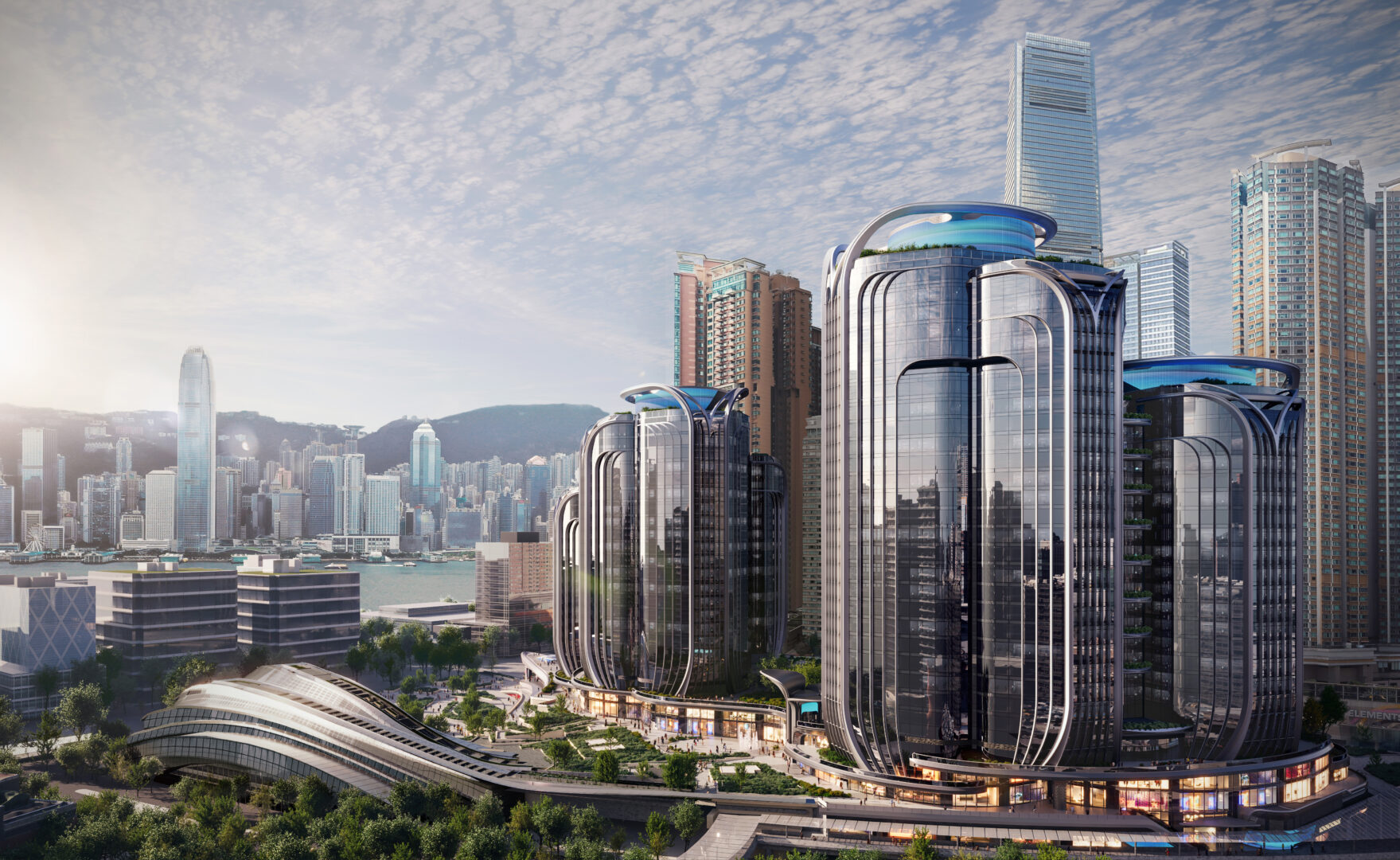
UBS Group AG, the Swiss multinational investment bank, has committed to one of two towers of Sun Hung Kai’s new 2.6 million sq ft International Gateway Centre (IGC), the Zaha Hadid Architects-designed office and retail complex above the West Kowloon High Speed Rail Terminus.
Said Barnes: “West Kowloon is not just an alternative but a complementary add-on to Central. The new product in that location is attractive to occupiers that want to be closer to their clients or to the High-Speed Rail network. IGC has a lot of tenant activity now from larger occupiers expressing interest and considering moving part or all their functions into that development.”
West Kowloon is likely to perform well in 2026, Barnes says, in part because large premium real estate in Central is limited.
“Large occupiers are driven towards new product for a variety of reasons, and if they can’t find that in Central, they will certainly look to new buildings in West Kowloon and Causeway Bay,” he says.
Beyond Central
Vacancy rates remain high in Tsim Sha Tsui, Kowloon East and Hong Kong East, where rental growth is tied to sectors, particularly insurance. Last August, Hong Kong-based insurer FWD Group signed a decade-long lease for 330,000 sq ft in Taikoo Place, the largest office rental deal in Hong Kong in 2025.
Kowloon East may be the outlier in the trickle-down from Central office boom, since it is owned by a variety of owners without the same cohesive ownership structure that exists in other districts, Barnes said. Vacancy rates are almost 20%, which makes it likely that there will be modest rental adjustments on the downside to try to attract tenants given competition among the district owners.
What else?
The education sector is another piece of the puzzle, with senior expatriates having trouble finding places for their children and universities expanding campuses and looking for dormitory space for incoming students not only from mainland China but also from the Global South and the Middle East. Universities are estimated to be tens of thousands of future beds short for non-resident students.
“International school growth is again required and an indicator that speaks to the quality and volume of talent Hong Kong attracts,” Barnes said. “We’re starting to hear again, that it is hard at times to attract senior talent due to spaces in international schools, and schools are responding with expansion.”

Alex Barnes is JLL’s co-CEO of Greater China and managing director for JLL Hong Kong, Taiwan and Macau. He is responsible for driving client-first strategies, enhancing business growth and strengthening JLL’s market leadership across these key markets. He was head of JLL’s Hong Kong leasing business before being promoted to managing director in 2022. He was a member of The Women’s Foundation Male Allies Leadership Council and is a board member of Habitat for Humanity Hong Kong.