

As a third-generation leader, Bosco Law serves as deputy chairman and CEO of apparel manufacturer LAWSGROUP, founded in 1975. Law puts it simply: “I’m running this company as a professional.” He is doing more than that, helping to develop the city as a leading fashion center, beyond roles in textile sourcing and supply chain management. AmCham HK e-Magazine checks in to see where LAWSGROUP, and the industry are heading.
A few days earlier, on February 20, the U.S. Supreme Court had struck down U.S. tariffs based on the International Emergency Powers Act (IEEPA). A day before, the U.S. and Israel went to war on Iran. Bosco Law has just come back to his office in Lai Chi Kok from trips to Egypt and Dubai with the Hong Kong Trade Development Council.
As chairman of Hong Kong Textile Council, Law worries not only about his own company but the Hong Kong textile industry. “Everything is changing,” he said in an interview. “It’s been a headache. Hopefully the war will end soon, and oil prices will stay under control. But we always plan for the worst.” Refunds under the Supreme Court ruling are estimated at US$200 billion, but tariffs will likely stay around 10-15%, Law said.
That is why he and other members of the Hong Kong textile industry are looking at places like Egypt and Dubai to diversify, while the U.S. market remains unpredictable.
While still in his 30s, Law spearheaded the expansion of the company’s operations outside China, with new factories in Bangladesh, Vietnam and Myanmar, bringing its work force to 20,000 and its manufacturing capacity to over 200 million pieces a year. LAWSGROUP makes clothes for the world’s biggest brands.

He joined the family business in 2005, after studying architecture at the University of Toronto and working for an architectural firm and a bank. In the same year, the company set up four factories in mainland China, at the time that textile quotas ended in most of its major markets. One of its earliest factories was in China, along with factories in Mexico, Thailand, the Philippines and Portugal.
LAWSGROUP now has offices and factories in 15 countries, along with a property and investment business in Hong Kong, mainland China and Southeast Asia, and a retail and branding group with two D2 shopping malls and 822, a 27-story revitalized industrial building and mall adjacent to D2 Place ONE and TWO.
In 2016, the company announced its pivot away from manufacturing in Hong Kong to property, with the D2 buildings serving the dual purpose of mall and incubator for young designers.
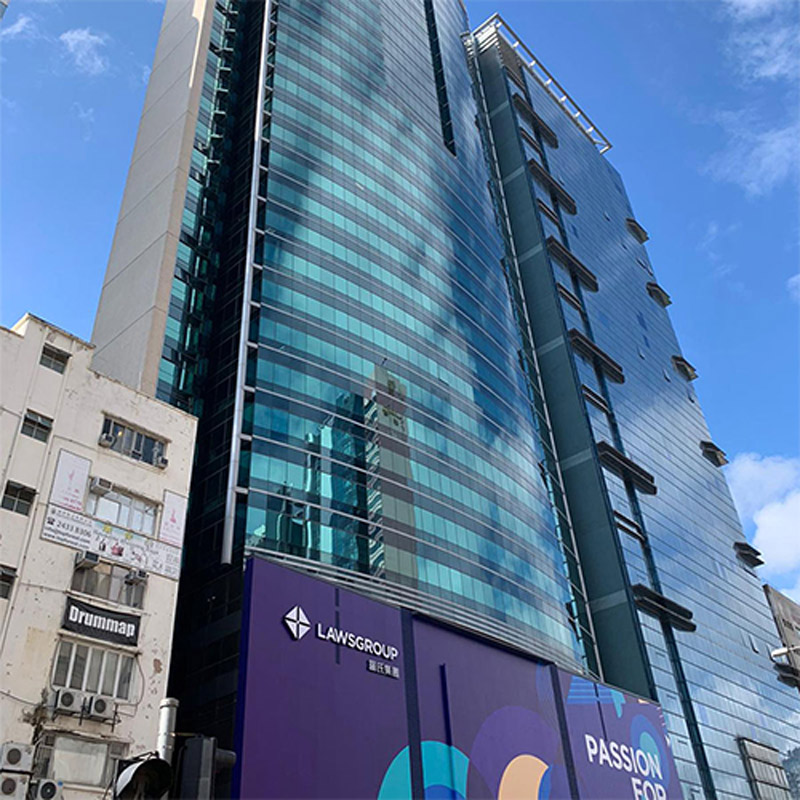
Like many of his peers, Law is exposed to trade war not through his Hong Kong business but through a network of factories across the Asia-Pacific region that has had to remain flexible in the face of extreme tariff uncertainty over the past year. “We should be focussing on developing supply chains and our products, investing in R&D and Artificial Intelligence, not just investing in different parts of the world to diversify the risk. But now this is part of the game plan,” he said. “There are still a lot of uncertainties for running a global trading business. At the end of the day, it’s costs.”
A “Passion for Fashion”
Hong Kong’s role in the global textile industry has been largely as a sourcing hub since the late 1980s, when production was relocated to China.
In 1971, the textile industry accounted for 31% of Hong Kong’s Gross Domestic Product, with 303,000 workers and exports of HK$12.3 billion in 1970 at its peak. Today, while textile manufacturing still exists in Hong Kong, it employs just over 1,000 workers and had exports of only HK$221 million in the first six months of 2025, together with HK$10.9 billion of re-exports, 80% from mainland China. The industry’s share of GDP is now less than 1%.
As LAWSGROUP turned decisively away from manufacturing in its home base of Hong Kong, it began to campaign for a new way to deliver economic value through the fashion industry. Despite its long history in textiles, Hong Kong was never seen as a fashion center. Big name fashion designers born in Hong Kong tended to move away. There was no equivalent of the fashion weeks of New York, Paris, Tokyo, Seoul, Shanghai and Shenzhen.
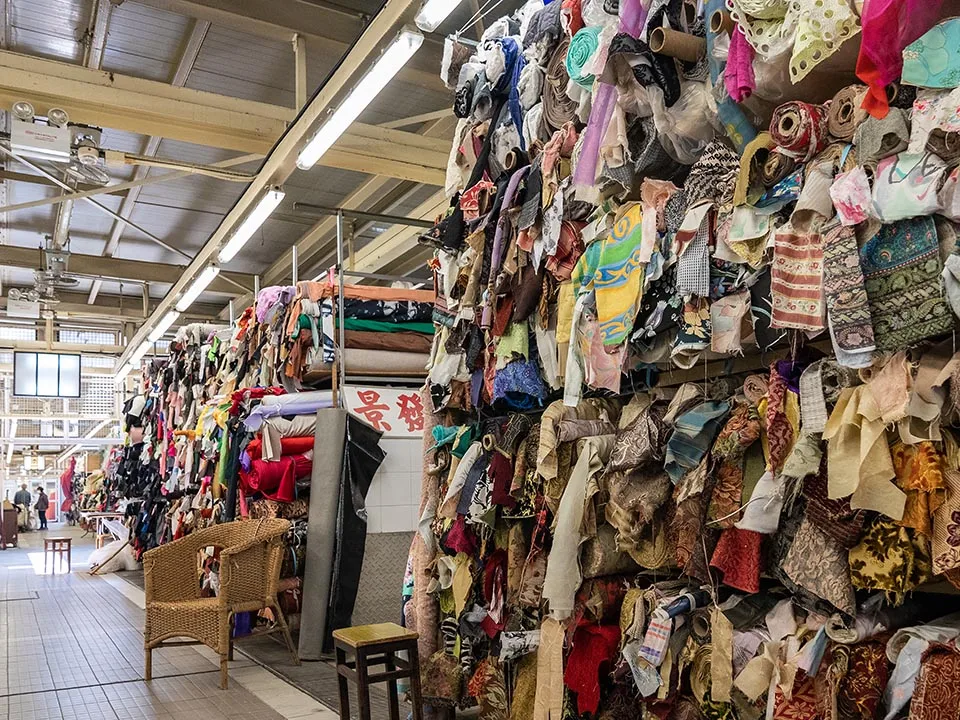
Law decided to change that, using his company’s extensive footprint in industrial buildings as a lever. His D2 buildings and 822 included platforms and workspaces for young designers. In 2017, he told The Standard newspaper:
“All the metropolitan cities including New York, London, Paris, Tokyo, and Seoul have their own fashion, which is related to film and the creative industries. Hong Kong’s fashion was once well known in the world when the movie industry thrived in the 1980s and 1990s. Someone should be appointed to lead and coordinate the fashion industry if the government wants to revive it, although it needs not be a bureau.”
As early as 2012, Law began to work on industry revival by putting company resources behind a new foundation aimed at incubating young fashion designers. Fashion Farm Foundation, a non-profit, started bringing young Hong Kong womenswear designers to Paris Fashion Week in 2013, through a program called ‘Hong Kong Fashion Guerilla’, including runway shows since the Autumn/Winter shows of 2016.
Established in 2012, Fashion Farm Foundation began nurturing local design talent, helping emerging creators gain global exposure, and Law’s early support was critical. D2 Place One opened in 2013 and D2 Place Two in 2017. D2 stands for ‘designers’ dreams;” Law hoped it would become a cultural and creative hub like Dongdaemun in South Korea.
A decade later, Law is still campaigning for Hong Kong to establish a Hong Kong fashion district and a fashion week to bring the global fashion elite to Hong Kong, but now he is no longer a loner. “We are building the fashion ecosystem to support Hong Kong local designers and brands,” he said in an interview. “The Hong Kong government understands that they need to work more to support the creative industry.”
Support has come in the form of DX Design Hub located in the old textile trading district of Sham Shui Po, and operated by the Hong Kong Design Center, located in a revitalised industrial building and launched in December 2024. It was one of the first projects headlined under the new Cultural and Creative Industries Development Agency (CCIDA), the renamed Create Hong Kong, under the Culture, Sports and Tourism Bureau.
There is much more. Hong Kong Chief Executive John Lee announced in the 2023 policy address that the Hong Kong Fashion Fest would be held annually starting in 2024, funded by CCDIA. It “creates a platform for local and overseas fashion designers and brands, as well as industry leaders and relevant professionals, by providing opportunities for exchanges and by showcasing their work,” the government said in a note to the Hong Kong Legislative Council in March 2025. The aim is to “develop Hong Kong as a fashion design hub in Asia,” according to CCDIA.
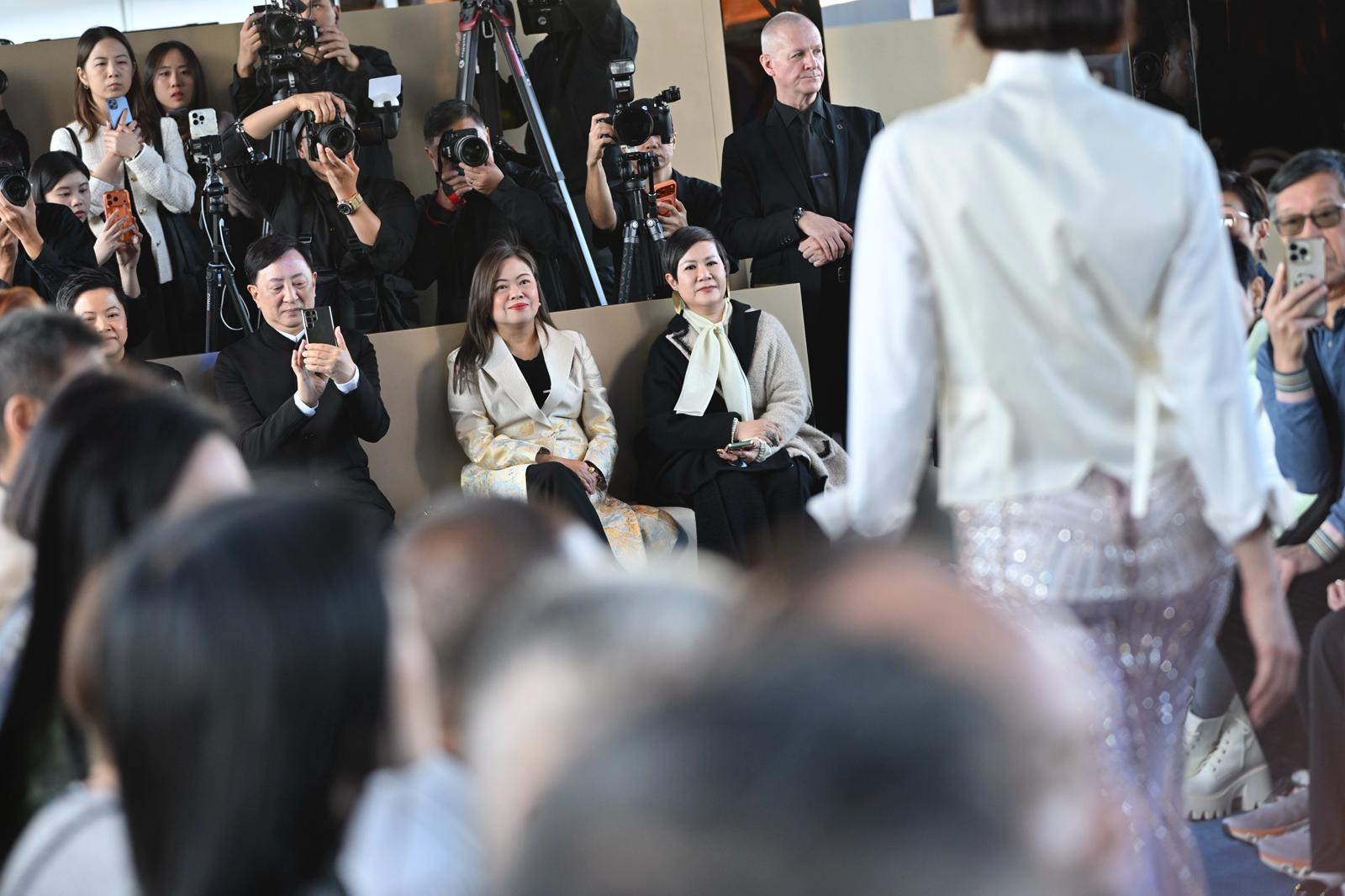
Having met with decided success in his efforts to develop the Hong Kong fashion industry, Law is now focusing on encouraging CCDIA to sponsor fashion industry tourism. As usual, he is not waiting for the government to catch up. He is looking at LAWSGROUP’s original knitting factory as a candidate, although he says it is still in “the pipeline.” He thinks industrial tourism could be structured into Hong Kong’s tourism brand. “We are still at the stage of being aware that Hong Kong should do more,” he said.
What’s a little trade war when it comes to the future of fashion? Expect Bosco Law to be on the forefront of both, navigating the rough spots of the trade as well as its buoyant prospects.
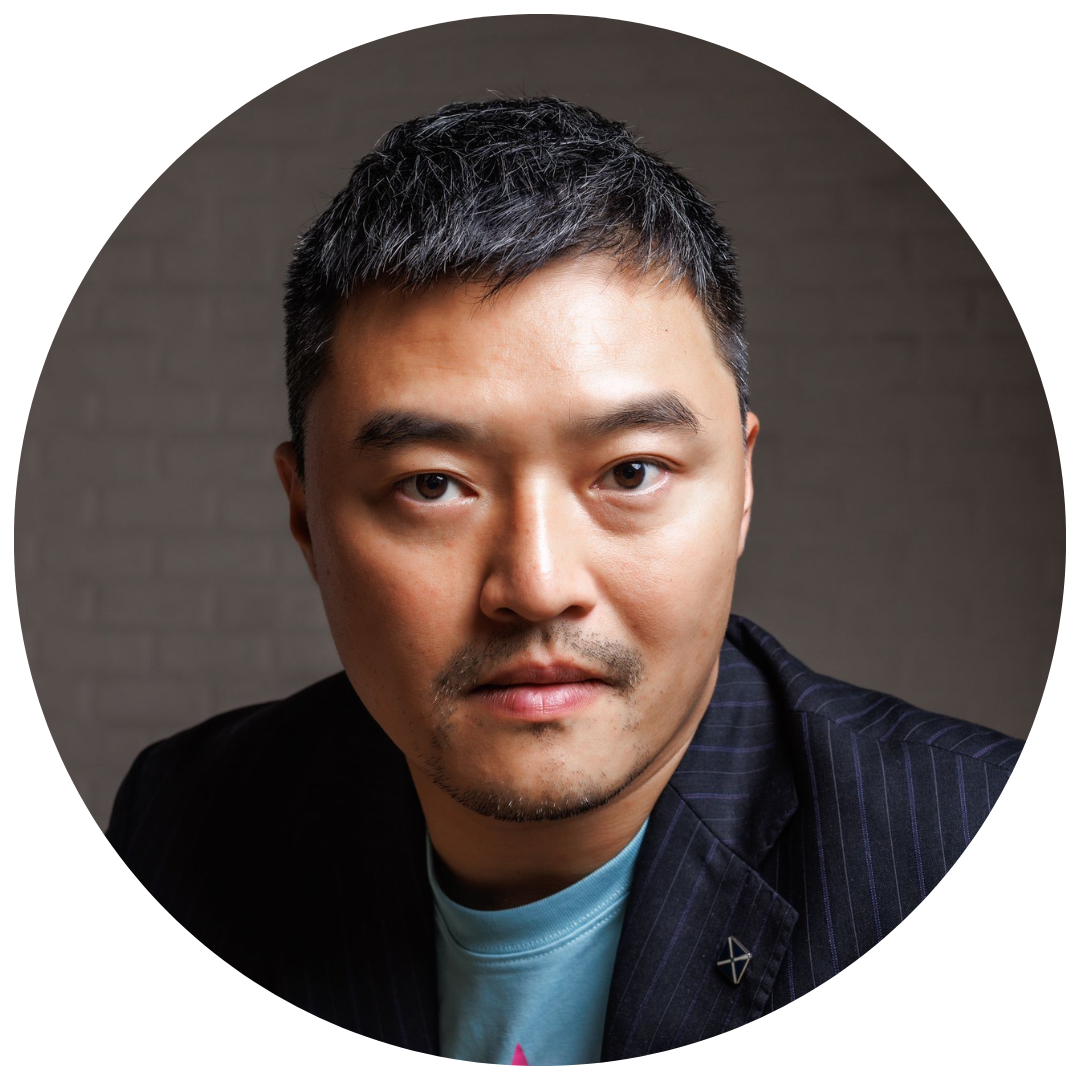
Bosco Law is the Deputy Chairman and CEO of LAWSGROUP, where he leads the Group’s global operations and development strategies in Apparel Manufacturing, Supply Chain, Retail and Property Investments. He is also Chairman of Laws Properties Group. In addition to Bosco’s commercial undertakings, he is a Council Member of the Better Hong Kong Foundation, Chairman of the Textile Council of Hong Kong, Chairman of the Vocational Training Council – Fashion and Textiles Training Board, and Council Member of Hong Kong Metropolitan University. He graduated from the University of Toronto in 2001 with a bachelor’s degree in architecture and minor in art history.