
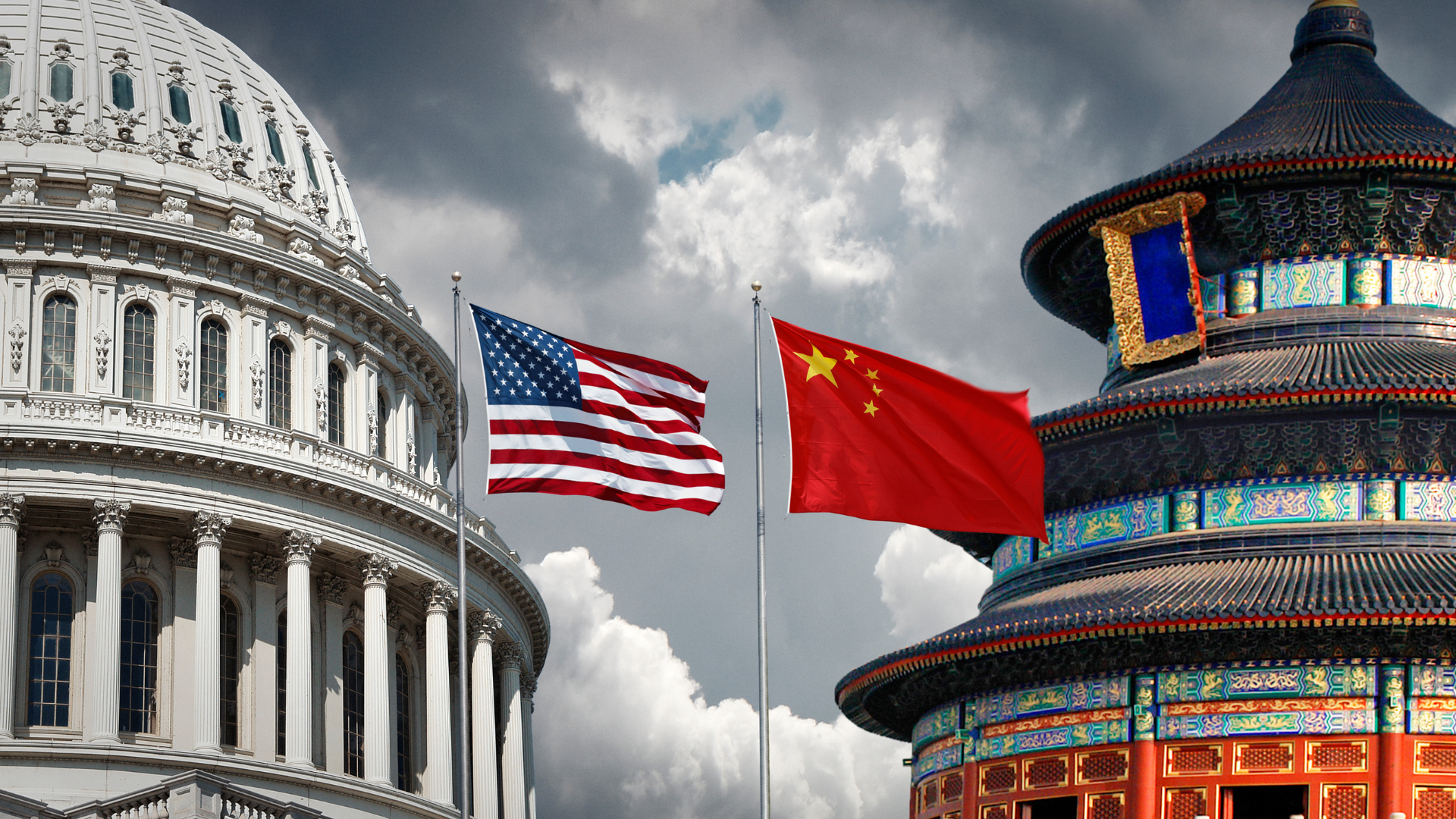
The first summit meeting between US President Donald Trump and China’s President Xi Jinping in Trump’s second administration is likely to take place after the meeting of the Asia Pacific Economic Cooperation (APEC) organization from October 28-31 in Gyeongju, South Korea. While US-China tensions remain high, the summit offers the chance for breakthroughs across a range of issues. Here, AmCham HK e-Magazine catches up with Scott Kennedy, a top China expert at the Center for Strategic and International Studies in Washington, DC.
Chances seem high for a US-China summit meeting this fall, most likely in Asia. How do you think the summit will play out?
Prospects for a summit between Xi Jinping and Donald Trump at some point in October or early November are relatively high. Both sides seem to want the summit for their own reasons, and both sides have been trying to be relatively polite to each other compared to the way the relationship was several months ago or even during the Biden administration.
We have a temporary moment of calm. All things considered, when and if they do get together, they could possibly reach some sort of agreement not only about the commercial relationship, in terms of trade and potentially investment and tariffs, but they also might reach an agreement about handling the fentanyl issue, possibly export controls, and there is a remote possibility for even some kind of statement about Taiwan.
A reduction in the level of bilateral tension is something that has been sought for a long time. On the other hand, I think the reasons we are in this moment of calm, and the potential summit are probably not the type of reasons that the typical advocates of engagement would support. There are, actually, a lot of troubling reasons why things seem so calm right now.
Former Biden officials have been criticizing this walk towards a summit as a potential Chamberlain moment for the United States.* I’m also worried about the direction that we’re headed in, but not for the same reasons that American hawks are worried.
What concerns you most about the potential outcomes of the summit?
I’m a liberal with a small ‘l’. I believe in the values and benefits of liberal democracy, rule of law, transparency, and limited government. I also believe in a rules-based international order, not necessarily any specific rules about the international system, but that the way governments and members of international society interact with each other are based on some common expectations about what is considered appropriate behavior.
I don’t see the United States moving in that direction, and I don’t see China moving in that direction. And I don’t see the type of things that the US and China are going to cooperate on potentially in a summit moving the two countries or the world in that direction.
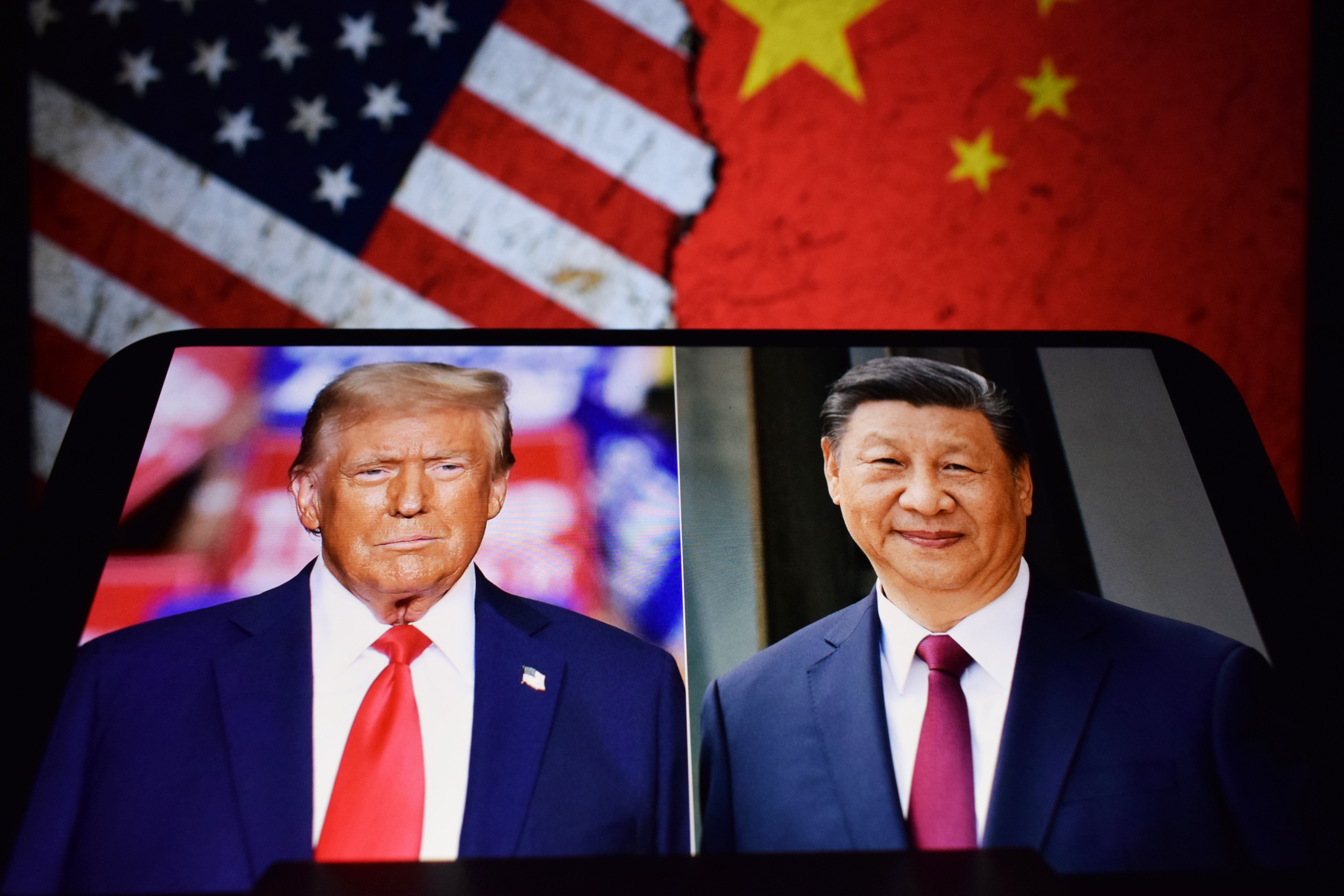
They’re both moving in the opposite direction, in a much more illiberal way that is likely to forge a basis of cooperation on non-liberal or anti-liberal goals that are, I think, probably detrimental for Americans and for addressing international challenges, whether they are about national security and peace, climate, public health, economic growth or economic equity.
So that’s what worries me. I think there are others who are worried about the strategic competition with China and the compromises that the US is making just to get a deal, and they feel like the president might be making concession after concession just to get a deal. This is a reasonable worry, and I’m worried about that, but I’m equally concerned about the overall direction in which American foreign policy is headed.
What kind of agreement do you expect to be reached?
One of the things that the US has complained about with China for a very long time is that China plays unfair and that it has not lived up to either its World Trade Organization (WTO) commitments or those with others as a result of massive state intervention in the economy. It uses industrial policy of all sorts, not just spending, but in regulations and protection, signing on to agreements and then not following through.
And for a long time, the US approach was that we needed China to live up to its commitments. The first Trump Administration shifted ground and said, “We need you to live up to your commitments, but the way we’re going to get you to do so is we’ll put pressure on you. We’ll put tariffs on you, and then hopefully we’ll get you to live up to those commitments.”
And the Biden Administration came along and said, “We’re not sure they’re going to live up to their commitments, and be integrated into a rule- based order, and so we’re going to try and distance ourselves from them.” As a result, Biden focused on de-risking technologically and in supply chains to protect the rules-based order. They thought that treating China as if it were outside the order and denying technology to China was the right step. They made some progress in that direction, although how effective it was will be up to historians to decide.
The second Trump Administration has decided that the problem isn’t whether or not China is meeting its obligations; it’s the order itself. And they’re in the middle of destroying that order. They don’t want to try and integrate China into the rules-based order, because they think that order itself is bad for the United States and for the world.

They got rid of the basic foundations of the WTO and the international trading system, which are most-favored nation (MFN) status and national treatment, which is treating foreign businesses in your country like you treat domestic companies. And they said, instead of operating according to those rules, we’re going to have preferential arrangements and reciprocal tariffs. We’ll negotiate country by country, product line by product line, and use the power of access to the US market to obtain more favorable terms.
What we’ve seen is the US government shift dramatically economically. Instead of trying to integrate China into the system, it’s moving much more in the direction that China has been advocating. They’re going to end up cooperating, potentially, on very different terms from what I think would be better for the US and for the global economy.
As a result, it could either be in significant conflict with China because of differences of interest, or it could reach significant agreements, just as you know, imperial powers did in the 18th and 19th centuries. That’s what I’m worried about. We very well could end up cooperating for the wrong reasons.
Do you think there could be a deal on Taiwan, and if so, what would it look like?
Trying to predict exactly what President Trump is going to do next month is harder than predicting the weather five years out. He has inclinations and patterns of behavior, and the people around him have some strong ideological views. It’s not totally up to chance, but again, given his bent toward illiberalism, his views about discretionary actions and his views about great power politics and competition and cooperation, he could be willing to make some compromises on Taiwan. Or he could be persuaded that he’s got to push a lot harder against China, in part because of Taiwan.
The Chinese have been trying to understand what moves him and handicap what’s most likely for at least the last year, if not longer, and analyzing the lessons from the first Administration. In the middle of the campaign last year, the Chinese showed great interest in Elon Musk and the potential role that he’d have in the Administration, mostly because of Tesla’s business in China. Might he be a force for counseling cooperation and limiting the tariffs? I think that they concluded that Trump, when faced with a weak foe, can push his way through and get what he wants. But when he’s faced with a foe that really holds their own, that also has cards and leverage, and the risks to him are quite high, he tends to back down.
I think they were looking for opportunities which they eventually got with rare earths in the spring to push back on, to get to this ceasefire. Now that they’ve gotten Trump to back down and clearly see him in deal making mode, someone with no absolutely clear North Star on Taiwan, they are now very curious about what might be possible.
At a minimum, can you get a statement from the US government that they don’t support Taiwan independence and actively oppose it? I think that would be a coup for Beijing. Could they get even more from the Trump Administration about arms sales? Or recognize that cross-strait issues are purely a domestic Chinese issue?
I think it’s extremely unlikely, but they are asking about those kinds of possibilities, which means they think that they are not totally out of the question. The Trump era is like living in dog years, where a lot can happen single day. We all age a lot each day.
The summit, if it happens, is still some time out from where we are now. It’s possible that we could have smooth sailing and a path to a summit, or that something could emerge and turn things in a very different direction. At that point, we might be waxing poetic about the short period of peace that we enjoyed. Both of those outcomes are possible.
Relative to Trump’s statements welcoming a meeting with Xi Jinping, Beijing seems to have been dragging its feet. What are the risks from China’s perspective?
The Chinese, generally, are very risk averse, and based on their interactions with President Trump over the last nine years, don’t trust him very much. They’ve also seen how he’s treated other leaders poorly, including his allies. They are supporting Russia on Ukraine, but they also watched how President Zelensky was treated in the White House, and they don’t want a “Zelensky moment” for Xi Jinping.
In addition to that, summit diplomacy requires a build-up, a patient interaction between the bureaucracies, things to agree on, statements to be made, theater that they will both follow, and agreement on the rules of decorum. And that takes time. The Trump Administration is relatively unique amongst presidencies in that it is not comfortable taking its time. It is very, very impatient, and it’s not surprising that the Chinese have played hard to get on a summit.
As they have been able to effectively push back on the US tariffs, get some concessions on export controls and have the ceasefire extended, they’ve warmed up more to a summit.** If they do meet, it would most likely be in Asia, either on the sidelines of APEC or perhaps before or after APEC somewhere in China. And those locales, particularly if it’s in China, give China a lot of control over the meeting, which reduces some of their anxieties.
The President could walk out of a meeting, right? But if he did that in Korea or in China, he would be the one that looked bad. There’s less risk when you’re the host. Because they feel like they’ve made some progress with him, and that the summit might be in a location that is more amenable to them, I think they’re more open to it.
It’s going to be tough. There are still negotiations to be done on whether they actually can come up substantive cooperation that will justify a meeting, and that they can claim signifies a big enough breakthrough for them to argue with a straight face that it is a huge historic moment.
Prime Minister Narendra Modi unexpectedly joined the Shanghai Cooperation Organization (SCO) summit in Tianjin from August 31 to September 1, his first visit to China in seven years. This, of course, followed what he considered a betrayal by the US in doubling tariffs to 50% after months of suggesting a deal was in store.
From Beijing’s view, despite the risks from his unpredictability, Trump is a gift that keeps on giving. He’s alienating his allies in Asia, in Europe, potential partners that have been pursued for multiple decades for bilateral purposes, as well as part of a coalition to deal with the China challenge. The Biden administration probably put in the most intensive effort to engage with India, but things started much earlier.
Trump has totally unraveled that effort. Beijing is probably extremely grateful. I think that makes Washington, in their eyes, look much more disorganized, have much less leverage against China, and again, reduces the risks for a meeting. It probably makes them less open to compromise, significant compromises. But the bar for simply getting to a meeting if, for example, if it’s on the sidelines of APEC is probably lower.
The falling out between New Delhi and Washington is probably a net benefit to Beijing and the same between Brazil and the United States, which also benefits Beijing. I don’t know if they take advantage of that substantively in its relations with others. At the SCO summit, there was a three-way handshake or embrace between Modi, Putin and Xi and other types of pleasantries.

India and China still have very great differences on the border, economics and other issues. India pursues a more traditional view of socialism than China. And it has a lot of defensive international trade interests. It is genuinely representative of the Global South, which China associates itself with rhetorically. There’s still a significant rivalry there. But what the US has done is soften that rivalry and given at a minimum, short-term reasons for India and China to have a more civil relationship with each other.
Last April, after Trump declared “Liberation Day” with universal tariffs including China, did Beijing do the right thing in using its rare earth resources and reciprocal tariffs to force the US to back down?
As a small “l” liberal, I really would prefer China to pursue market-oriented reforms, reduce the level of state control over society and improve its relationship with the West, and do so unilaterally. China’s not doing those kinds of things. That’s just what I would prefer.
Putting aside that possibility, looking at things from the perspective of the preferences of the leadership in China, I think they’ve played their hand very well. There are some in the US who think that what the US is, for the moment, temporarily being nice to China making agreements with everybody else where they’ll have much lower tariffs than on China.
According to this thinking, the China tariffs will stay around 50% to 60% and that, lo and behold, China, in several months, will find itself isolated and shut off from the rest of the world. People describe this strategy as a frog boiling in the pot, and that China just doesn’t see it coming.
China believes that is not the key dynamic, but rather that what is occurring is that China is making “tacos,” and that taco after taco, which stands for “Trump always chickens out.”*** They’ve made three tacos, one in Geneva, one in London and one in Stockholm. The outcome of a fourth meeting in mid-September in Madrid, on first glance, also appears to benefit China. They’re hoping for another taco, once they get together for this summit, which could be a big enchilada.
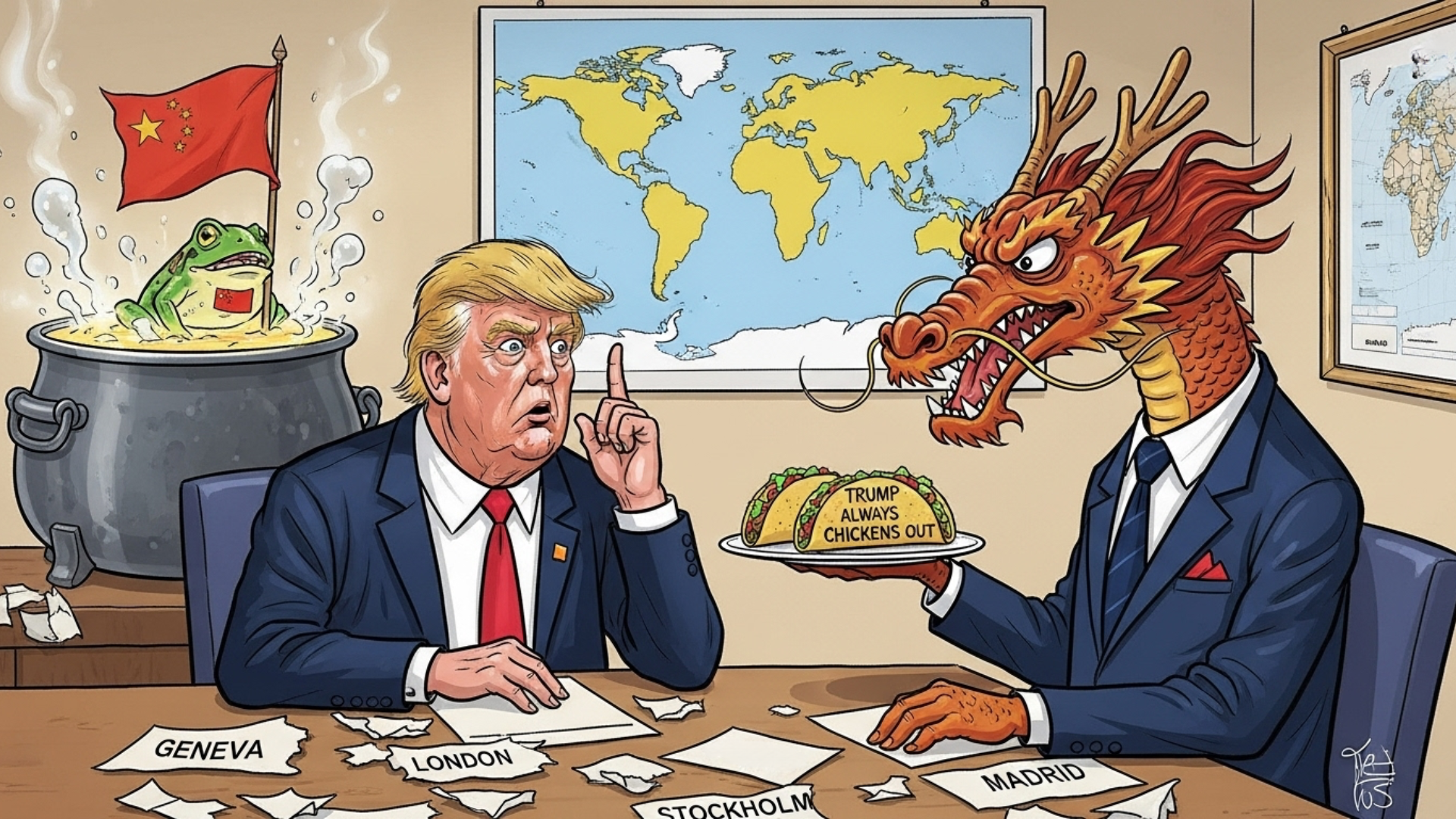
The Chinese have been pretty smart. They correctly figured out that Trump would back down. And I think that they knew that if they had tried this with the Biden administration or Obama before, that the US would have escalated and that they would have ended up in a much worse situation.
Trump could have been very clear that if the Chinese did what they said they were going to do, they would have faced many other sanctions, perhaps even financial sanctions, but the US didn’t do that. Instead, he made it clear that he was vulnerable to caving and backing down and that he was a paper tiger. It’s unfortunate that the US has gone down this path and been manipulated by China this way, but you have to give China credit for doing their homework and finding the right opportunity to use that card.
Down the road, it could come back to bite them, because it is going to generate, over the long term, additional effort by the United States to de-risk from China or decouple and be ready to escalate. In the short term, China definitely looks like it has the upper hand. In the longer term, I think this ends up being a lose-lose outcome.
As fall and the holiday season come on, do you see Trump’s tariff policy becoming more of a bread-and-butter issue among his followers? I’m thinking all those Christmas and Hanukkah toys going missing…
What you’re really asking is how sustainable is this? Is it possible that eventually there’ll be economic repercussions, which will then generate pushback from different parts of American society, including particularly those who voted for him or elites who support him? So far, the surprise has been that the US economy has maintained its health. Inflation has not jumped through the roof. The stock market is as high as ever. Valuations are super high, higher than they were before the great financial crisis or during the dot.com bubble.
It’s possible that the tentative deals that he’s struck will become more permanent or widely applied, and that some of the foreign investment that’s been committed will arrive and generate new manufacturing jobs, and that somehow he will have produced magic, and that the tariff revenue will replace some of what’s lost in income tax revenue. And somehow this will work out.
Trump has defied gravity before, at least from some people’s point of view, and he could do it again. I do think that there is a very high chance that eventually the tariffs will translate into higher prices. We’ve already seen growth slow down, at least in the latter part of the second quarter, and late in the summer that trend could continue.
Where the rubber meets the road for President Trump will be in a couple of places. The agricultural community in the United States, if they have a real problem exporting their crops, or other goods around the world, that will be a challenge. The agricultural community is a very small percentage of the American population and our economy, but they have outsized political weight.
Another would be if there are shortages of rare earths that translate into shortages or a slowdown in high-tech civilian goods or military goods. Thirdly, if we end up re-escalating with China, every time you re-escalate, it’s like when you go to a concert or when you’re listening to music at home, to have an effect, you have to turn up the sound louder. A shock and awe strategy would require the US to go bigger, to put pain on China, and that would mean the Chinese would retaliate even more harshly and that would have significant effects on the President’s ability to act without restraint.
Finally, what is on your mind these days?
There are a lot of Americans who are wondering, is it inevitable that we’ve ended up in this place where US politics have basically unwound? The US has changed dramatically, domestically and globally, and there’s great anxiety within the US about political and social division and polarization. The way others look at us has also changed significantly.
I spent a lot of time over the last two years not only visiting China frequently, but also our allies in Asia and Europe. And I think wherever you go, you find people scratching their heads about the trajectory of the United States. There are voices in the US that try to put a positive gloss on this and say, the US is just going through a historic realignment, and its sources of renewal are many – its vigorous civil society, its large business community – and that the US will come out of this transition stronger than ever, and defy those who think the US has seen its best days behind it, those who say that the East is rising and the West is falling.
I’m not so sure. The US is engaged in a lot of activities which we could sum up as self-harm. Foes of the United States could never impose this much cost on us in our internal cohesion and external influence. This is something that we’ve done this to ourselves.
And that’s what I’m really worried about, that the US is changing in such a way that it may not be a positive force for good in the world, that it’ll be very hard to recover, that there’s not a lot of understanding to try and save the mantle of the rules-based order.
Who is going to support healthy democracies and the rules-based order? That’s what I’m worried about. There are many things that China can trumpet as being helpful to the global economy and that China can be a force for good. China’s economy and society are much better off today than they were several decades ago. We certainly saw China make that claim recently at the SCO summit and in its advocacy for its new Global Governance Initiative. But I’m still skeptical about China’s ability to deliver.
We just went through a major crisis with the pandemic. We had 60 million people around the world die, and it didn’t bring us all together. It had very different consequences. And so even a crisis may not generate the kind of constructive soul searching and cooperation and smart decision making that we need. I am hard-wired to not be a pessimist, but I’m worried.
* A reference to the “peace for our time” comment that British Prime Minister Neville Chamberlain signing the Munich Agreement with and Anglo-German declaration in 1938, allowing Hitler to occupy parts of Czechoslovakia.
** By “ceasefire”, Dr. Kennedy is referring to a 90-day extension of a trade truce through November 10, 2025, which was put in place on August 11 to provide more time for trade negotiations. Tariffs remained at 30% on Chinese imports to the US and 10% on American exports to China, while a hold was put on threatened 145% tariffs on Chinese imports to the US and 125% tariffs on US exports to China.
*** “Taco = Trump Always Chickens Out,” a phrase coined by a Financial Times reporter.

Scott Kennedy is senior adviser and trustee chair in Chinese Business and Economics at the Center for Strategic and International Studies (CSIS) in Washington, DC. A leading authority on Chinese economic policy and US-China commercial relations, Kennedy has been traveling to China for 37 years. He was a professor at Indiana University from 2000 to 2014. He holds a BA from the University of Virginia, a Master’s Degree in China Studies from the Paul H. Nitze School of Advanced International Studies at Johns Hopkins University and a PhD in political science from George Washington University.